
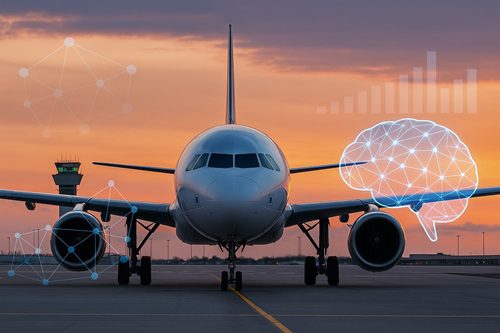
 There’s an adage in aviation: wheels up is only half the story. These days, it turns out the real action-the delays, the decisions, the dazzling data—is happening behind the scenes, buried deep in the guts of the systems powering modern flight. Enter OAG, aviation’s global data compass, and Microsoft, no slouch in tech wizardry themselves, who have just dropped a report that’s bound to ruffle feathers—or at least rewrite the flight manual.
The aptly titled “Can AI and the Right Data Rewrite the Rules of Airline Performance?” is not your average whitepaper. This one crackles with urgency. The report pulls back the curtain on how artificial intelligence, when fuelled by clean, complete and coherent data, isn’t just a future fantasy, but a present-day powerhouse quietly transforming the way airlines operate.
And let’s be clear: this isn’t just about giving your boarding gate a techno facelift. We’re talking fundamental, measurable changes, from shaving minutes off turnaround times and pre-empting aircraft maintenance, to steering operations away from the costly quagmire of delay dominoes.
At the heart of the report is a beautifully constructed data map—something even the most jet-lagged operations manager could love—tracing nine of the most persistent pain points in airline operations, spanning the entire journey from pre-flight prep to the weary post-landing taxi.

For each challenge, there’s a real-world AI use case already soaring. No vapourware here—just grounded, working tech with demonstrable returns. Whether it’s an algorithm flagging tyre wear before it spells disaster, or AI shaving precious seconds off airport ground handling, the report offers a clear and tangible path from airline agony to operational ecstasy.
Filip Filipov, OAG’s Chief Operating Officer, delivered it straight:
“AI is already transforming airline operations, but to truly scale its impact, the industry must prioritise data readiness. Scalable transformation is only possible with intelligent, high-quality data at the core of every AI solution.”
Now, that might not sound like the stuff of mile-high drama, but in an industry where a two-minute delay can ripple across continents, the implications are profound. It’s not simply about keeping planes in the air—it’s about maintaining passengers moving, costs down, and reputations intact.
In other words, data is no longer the co-pilot—it’s the captain. And if the industry listens to OAG and Microsoft’s clarion call, there’s every chance that airline performance as we know it could undergo a significant improvement.
So, if your idea of airline innovation stops at touchscreen seatback menus, it’s time to look under the hood. Because the future of flight won’t be written in jet fuel—it’ll be etched in algorithms and driven by data.
📘 Read the full report: Can AI and the Right Data Rewrite the Rules of Airline Performance?
By Sandra Jones