You’ve seen Tokyo’s skyline, played dodgems on Shibuya Crossing and got up at the crack of dawn to experience the frenetic Fish Markets.
You’ve hopped on the Shinkansen and zipped across Honshu to wander Kyoto’s temples and torii gates, squeeze into many an izakaya, and stroll the Philosopher’s Path amid the cherry blossoms.
But every time you do it, you’re always missing a trick – or should I say a stop.
The trick: immersive Japanese culture. The stop: Hamamatsu.
Most travellers barely register the city’s name as it flashes past the train window. And that is exactly the point. This is not a trip about recreating photos from a guidebook; it is a chance to discover a side of Japan that feels like your own.
Beyond the queues, down the side streets
Everyone’s been swept along a busy city street, propelled by the strange need to find over-crowded tourist attractions. It seems harder and harder these days to find that moment of authenticity in big cities.
In Hamamatsu, it’s different.
Instead of being served glossy sight-seeing samples at every turn, you’re expected to find the treasure yourself, and that’s part of the charm. It’s the unexpected thrill of discovering a master craftsman’s workshop down an unassuming alleyway, or an ancient castle once home to famed samurai, daimo and shogun Tokugawa Ieyasu that only locals seem to know about.
Venturing a little further will take you to the calm shores of Lake Hamana, a large lagoon that leads out to the sea.
Hamamatsu is about 90 minutes from Tokyo by Shinkansen and roughly the same from Kyoto or Osaka. You don’t need to change your route; you simply add a stop to your itinerary.
One night in the real Japan
Morning: Where sound begins
Arrive at Hamamatsu Station, drop your bags at the hotel and travel light; central Hamamatsu is an excellent walking city.
Your first stop is Yamaha Innovation Road. Best known around the world for pianos and guitars, Yamaha’s story here is about the technology, craft and passion behind making music.
Interactive displays let you engage with instruments and audio while tracing the brand’s evolution – a chance to see another side of instruments you may only have encountered on stage.
Midday: Local unagi, without the long wait
The Lake Hamana area is well known for unagi (freshwater eel). Instead of queuing for hours at a famous restaurant in Tokyo or Kyoto, one of the great pleasures Hamamatsu presents is sitting among locals and enjoying beautifully grilled, flavourful unagi where it is part of the regional food culture.
There’s something very special about the sense of place you get when eating food at its origin in Japan.
Afternoon: The becoming of a shogun and instruments from around the world
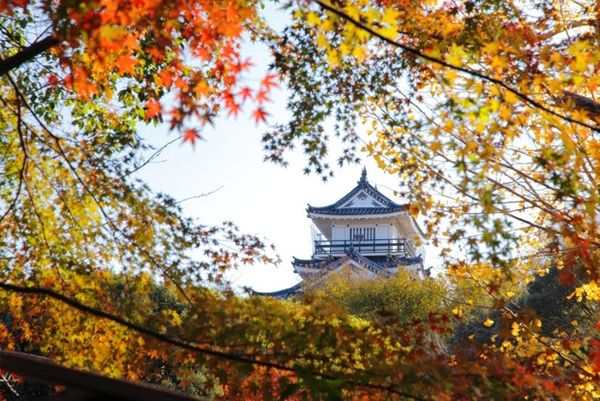
Ornate yet indomitable, Hamamatsu Castle has a fascinating history that stretches back to the 1500s. It was a base for Tokugawa Ieyasu in his younger years, a samurai that went on to become the shogun who unified Japan. Much of Japan’s culture and history come from what happened with this castle’s walls.
Next, visit the Hamamatsu Museum of Musical Instruments. From traditional Japanese collections to rare instruments from around the world, you can see and listen to, and even try playing some of them yourself, here.
It is an elegant way to experience Hamamatsu’s identity as a proud city of music.
Evening: Another local speciality – Hamamatsu gyoza
For dinner, you have to try Hamamatsu gyoza. The local style is to pan-fry the dumplings in a circle and serve them with a mound of bean sprouts in the centre. Pair them with a beer and settle into an easygoing local night before an easy walk back to your hotel near Hamamatsu Station.
The next morning: A quieter side of the city
Before you catch your lunchtime train, visit Suzuki Plaza. This free museum follows the history of this household name, from its loom-making origins through to the motorcycles and cars driven around the world today. There’s also a fascinating manufacturing floor that shows you how vehicles are made.
Catch a Shinkansen around midday and you can be in Kyoto or Osaka by the afternoon.
Or stay one more night: lake views and hot springs
If you want to make your Hamamatsu trip truly memorable, spend your second night by Lake Hamana.
After your first day exploring the city, head towards Lake Hamana on the morning of day two. At Hamamatsu Flower Park, a conflagration of blooms welcome visitors with blossoms changing with each season.
Have lunch around Kanzanjicho – a little town on the lakeshore, then take the Kanzanji Ropeway. From the gondola, the expansive view across Lake Hamana feels completely different from any lookout points you’ll find in Kyoto – open, spacious and unmistakably Japanese.
In the evening, stay at a ryokan or hotel in Kanzanji Onsen. Soak in a hot spring while looking out over the lake, then take your time enjoying a meal made with local ingredients. You may be surprised that such a quiet yet interesting place exists between Tokyo and Kyoto.
On the morning of day three, return to Hamamatsu Station and continue straight on to Kyoto or Osaka.
Where to stay
For easy access
Okura Act City Hotel Hamamatsu is close to Hamamatsu Station, making it easy to work into a one-night stopover. ANA Crowne Plaza Hamamatsu is also conveniently located near the station and is a practical base for exploring the city.
For a stay that becomes part of the trip
At KAI Enshu, you can enjoy hot springs overlooking Lake Hamana, seasonal cuisine and a taste of Shizuoka’s distinctive tea culture. Grand Mercure Lake Hamana Resort & Spa offers a relaxed lakeside stay, with open-air baths, dining and sweeping views of the lake.
It’s just one night between Tokyo and Kyoto, but that small detour could become the highlight of your next trip to Japan.