

China is having a cultural moment. Once defined by bucket-list landmarks such as the Great Wall of China, The Bund in Shanghai and Xi’an’s Terracotta Warriors, the country now attracts a new generation of travellers seeking to experience everyday Chinese culture, rather than simply sightsee. In 2025, China welcomed more than 35 million foreign visitors, a 30 per cent year-on-year increase while growing air connectivity, including Singapore Airlines’ low-cost subsidiary Scoots’ 81 weekly flights to 16 cities across China, continues to make the destination more accessible.
At the same time, social media is fuelling curiosity beyond traditional tourist hotspots, a growing fascination dubbed “Chinamaxxing.” From Chongqing’s neon-lit cityscape and Xi’an’s centuries-old performing arts to neighbourhood teahouses, regional cuisine and contemporary art, travellers are looking beyond familiar icons to discover the contrasts that define China today, where centuries of heritage coexist with some of Asia’s most dynamic cities.
As this new wave of travel puts greater emphasis on authentic and locally rooted experiences, Hilton is offering travellers new ways to discover China through its growing portfolio across the country. Across cities such as Shanghai, Chengdu, Beijing, Chongqing and Xi’an, Hilton’s properties connect guests with the local character of each destination, from its lifestyle properties that place guests at the heart of the action, to Conrad Hotels & Resorts’ 1/3/5 programme, offering tailored one-, three- and five-hour experiences, and Waldorf Astoria Hotels & Resorts’ Personal Concierges, who draw on their local knowledge to curate personalised experiences unique to each city.
Where Old China Meets New-Age in Shanghai
At Waldorf Astoria Shanghai on the Bund, the past and present come together within the former Shanghai Club, a heritage building with more than a century of history. Guests can discover the stories behind the landmark through the Shanghai Club Tour before exploring the iconic Long Bar, famous for its legendary 34-meter (110-foot) raw mahogany counter.
The experience moves into contemporary Shanghai through Ling Long, a one Michelin-starred restaurant housed within the property and ranked No. 9 on Asia’s 50 Best Restaurants list, where Chinese cuisine is reinterpreted through a modern lens. Beyond the property, guests can also explore Shanghai Jiushi Art Museum, which hosts major Chinese and international exhibitions within historic century-old buildings.
For a closer look at Shanghai’s neighbourhoods, guests at Hilton Shanghai City Center can explore the city with the hotel’s bilingual City Exploration Guidebook. The guide features four locally inspired routes along Suzhou Creek and through neighbourhoods such as Anfu Road, a tree-lined destination known for its independent boutiques, cafés and creative community.
Together, these experiences offer a different way to see Shanghai, moving beyond the city’s most recognisable sights and into the neighbourhoods, flavours and creative spaces that shape life today.
The Art of Slow Living in Chengdu
Located in the heart of Chengdu’s Hi-Tech Zone, Waldorf Astoria Chengdu places guests within easy reach of the city’s cultural and lifestyle experiences, as well as the expansive green spaces of Jiaozi Park. Through the hotel’s Sichuan Lacquer & Tea Culture experience, guests can visit a historic lacquer workshop to create their own lacquerware before enjoying tea in a restored heritage teahouse.
Closer to the hotel, concierge-recommended cycling routes through Jiaozi Park offer another way to experience Chengdu at a slower pace. Guests can pass lakes, gardens and green spaces before settling down for a takeaway picnic surrounded by greenery.
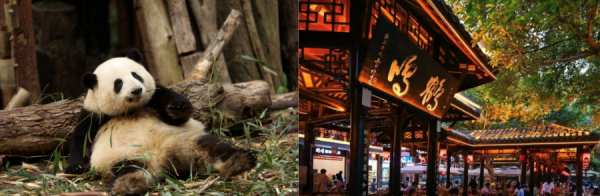
The city’s most famous residents also offer an opportunity for a deeper connection with local conservation efforts. Through the Giant Panda & Red Panda Volunteer Activity, guests can learn about panda conservation under the guidance of professional keepers while helping to prepare food and clean enclosures. Participants receive a volunteer certificate and commemorative gift, transforming an encounter with one of China’s most recognisable icons into a more hands-on experience. The experience complements Hilton’s wider collaboration with the Chengdu Research Base of Giant Panda Breeding, offering another way for guests to engage with an icon deeply associated with the city.
At Canopy Chengdu City Centre, the city’s enduring teahouse culture takes centre stage. The Dual-Guest Morning Tea Experience brings guests to the century-old Heming Teahouse in People’s Park, where they can experience traditional local tea rituals. The Zen-Tea Host Experience at Jinjiang Qiaoye offers a quieter interpretation of the tradition through a tea ceremony guided by a tea master.
Journey Through Beijing’s Past and Present
Beijing offers perhaps the clearest expression of China’s ability to bring different eras together. Imperial landmarks and centuries-old hutongs sit alongside traditional rituals and a contemporary cultural scene, allowing travellers to experience multiple facets of the capital within a single stay.
Located in the heart of the city, Waldorf Astoria Beijing places guests within easy reach of the Forbidden City and Tiananmen Square, while its traditional courtyard-style accommodation, including private hutong-inspired villas, brings elements of old Beijing into the stay itself.
Its three-day Waldorf Astoria Signature Tour takes guests beyond a checklist of landmarks, connecting imperial heritage with local traditions and everyday culture. Travellers can practise tai chi within the historic grounds of the Temple of Heaven, explore the imperial gardens of the Summer Palace and visit the Mutianyu section of the Great Wall. Other experiences take guests into Beijing’s historic hutongs, offering a closer look at the neighbourhoods that continue to shape the character of the capital.
For a distinctly different perspective, guests can explore the city’s streets by vintage sidecar motorcycle, offering a glimpse of Beijing beyond its monuments and into the living city that surrounds them.
Where Chongqing’s Landscape Inspires Art and Culture
Few Chinese cities have captured global attention quite like Chongqing.
Known for its dramatic mountain terrain, winding rivers and layered urban landscape, Chongqing has become instantly recognisable for its futuristic cityscape and seemingly impossible architecture. Beyond the viral images, it lies a city with a distinctive cultural identity. Conrad Chongqing brings the character of the “Mountain City”, bringing its landscape and culture into the guest experience.
Conceived around an “Oriental Floating City” design concept, the hotel draws inspiration from Chongqing’s mountainous geography and surrounding natural landscape, translating the city’s distinctive topography through a contemporary lens. In the arrival lobby, an immersive 3D digital artwork brings together local cultural symbols and landscapes, including the Liberation Monument, camellias, Chongqing’s stacked architecture, bridge and the Yangtze River. The hotel’s distinctive Bangbang Concierge service further allows guests to experience Chongqing’s unique local culture and character from the moment they arrive.
Beyond the hotel, Chongqing’s landscape can be experienced at a slower pace along the Huangge Ancient Path, a three-hour locally inspired experience within Conrad’s 1/3/5 programme. Once part of the historic Sichuan–Guizhou trade route, the centuries-old trail takes guests along timeworn stone paths, through an old trail village and up to a hilltop Taoist temple. Along the way, they can trace remnants of the route’s trading history while experiencing the mountain scenery and quieter rhythms of local life, a different side of Chongqing beyond its futuristic skyline.
The city’s laid-back way of life can also be experienced at Jiangling Teahouse through its collaboration with Conrad Chongqing. Guests can enjoy two complimentary cups of traditional gaiwan tea, offering a simple way to step beyond the hotel and experience a more authentic, everyday side of Chongqing.
Ancient Traditions Find New Life in Xi’an
In Xi’an, China’s ancient history is not confined to museums. The city is home to traditions that continue to evolve and find new audiences, including Qinqiang opera, one of China’s oldest forms of opera and a national-level intangible cultural heritage.
At Canopy Xi’an Qujiang, guests can discover this living heritage through a cultural journey that takes them to the China Qinqiang Opera Art Museum and the Qinfengyuan Intangible Cultural Heritage Theatre, where performances can include Qinqiang opera, shadow puppetry, Huayin Laoqiang singing and string puppetry.
Back at the hotel, guests can get hands-on with another piece of Xi’an’s heritage through a Tangguozi Handmade Class at InTown Café. Dating back more than a thousand years to the Tang Dynasty, the royal tea-time pastry is today recognised as part of Xi’an’s intangible cultural heritage. Guided by a professional teacher, guests can shape and carve their own Tangguozi, inspired by seasonal flowers and plants.
The experience takes another contemporary turn during Canopy’s signature Evening Tasting, where guests can try the limited-edition Qujiang Liuyin cocktail, made with Xifeng, a well-known local Xi’an liquor.
To prepare for upcoming stays and enjoy special privileges, visit hilton.com. Hilton Honors members can also use Points to reserve rooms at any Hilton property. Not a member yet? Joining is quick, easy, and completely free. Sign up here today.













