New research from Wise, the smartest place to spend and manage money internationally, reveals Australians are overspending by an estimated $6.4 billion each year on their travels, thanks to “Vacay Maths” — the phenomenon that sees spending go out the window as soon as we’re overseas.
It reveals the overwhelming majority of Aussie travellers (93%) are taking measures to save on their next trip — such as booking flights or hotels far in advance (45%), travelling in the off-season (40%), and being stricter with spending when they arrive (38%).
But being frugal is easier said than done once they’re on the ground. One in two (49%) admit that holiday money doesn’t always feel like ‘real’ money (just 34% disagree) and a similar number say that when travelling, they spend in the moment and worry about it later (52%).
And this is showing up in holiday budgets and stress levels. One in two Aussies (47%) came back from their last trip over budget, and almost nine in ten (87%) are worried about the costs of their next trip spiralling out of control.
The factors fuelling holiday overspending
Vacay maths seemingly stems from a mix of emotional decision-making and the practical challenges of spending overseas. Over four in five (84%) say travel is “one of the few things they look forward to” and three-quarters (75%) see it as a core part of who they are. So it’s no surprise that most Aussies say they will find a way to travel at “any cost” (53%).
This is particularly true of younger generations, who often see travel as a form of economic escapism. Around half of Gen Z and millennial travellers (47% and 51% respectively) agree that with major financial goals out of reach, they “may as well” spend on travel.
But Vacay Maths isn’t just emotional — there are tangible factors that make it harder to budget effectively too. Almost six in ten (59%) rely on rough mental round-ups when calculating exchange rates when abroad, making it difficult to track specific outgoings over the course of a trip.
And people are being taken advantage of as they let their guard down. Almost three-quarters (72%) say they’ve been caught out by an unexpected travel-related charge in the past five years, with the most common including ATM fees (30%), overpriced tourist trap restaurants (27%), foreign transactions fees from banks (24%) and inflated taxi charges (23%).
Plus three out of five (60%) report at least one spending regret. The most common scenarios include excessive spending on food and restaurants (21%), overpriced transport (18%), expensive accommodation (17%) and souvenirs (17%).
Tristan Dakin, ANZ Country manager at Wise said: “Before travel, people are likely to compare options and make sure they get the best deal. But once you’ve spent a lot on flights and hotels, it’s easy to tell yourself the rest doesn’t really count. And this is made harder overseas, thanks to different currencies, unfamiliar prices, unexpected fees, and the urge to get the absolute most from your trip. While we should all give ourselves licence to enjoy ourselves, it’s important to avoid a holiday money hangover when you return.”
“To get smart with your overseas money, the first step is making sure you know exactly what you’re paying in your home currency, with an exchange rate that’s up to date. And if you’re particularly prone to splurging in certain categories, it’s worth setting specific budgets and segmenting funds for those problem areas so you can keep them in check.”
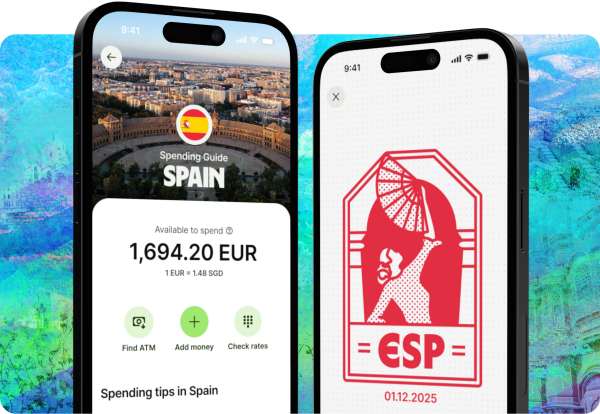
To help Aussies beat Vacay Maths, Wise recently unveiled the Wise Travel Hub, which takes the guesswork out of international money, with help on locating low-fee ATMs, mastering public transport, understanding the exchange rate, and finding the right balance between cash and card.
He continued, “Wise already offers low, transparent fees, but we know that how people track, budget and spend is just as important. By making money as transparent and convenient as possible, with a clear, up-to-date view on costs, we’re helping Aussies enjoy their trips, without looming spending regret.”