

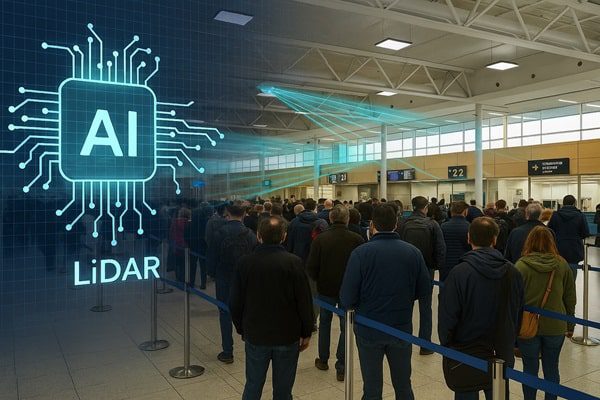
In aviation, the difference between a memorable journey and a muttered complaint at the baggage carousel often comes down to timing. Adelaide Airport has decided it’s had enough of leaving timing to chance. In a move that blends ambition with sheer operational smarts, the South Australian gateway has deepened its ties with Beonic, the global maestro of AI-driven intelligence, to give its international terminal a futuristic tune-up.
This isn’t just about another “digital solution” being dangled in front of a boardroom. No, this is about real-time wizardry that can see queues forming before passengers even know they’re in one. Beonic’s AI-powered LiDAR system doesn’t simply watch people move; it conducts the ebb and flow of travellers like a maestro commanding a symphony. The goal? A smoother, quicker, dare we say more civilised airport experience.
A Partnership Forged in Ambition
Beonic’s relationship with Adelaide is no fleeting affair. This latest rollout continues a long-standing partnership that has grown in lockstep with the airport’s ambition to transform itself from “regional stopover” to serious international contender.
“As demand rises and traveller expectations evolve, Beonic is helping Adelaide Airport to focus on optimising the performance of key processing areas,” said Billy Tucker, Beonic’s CEO, with the calm assurance of a man who knows his algorithms don’t mess about. “Our AI-powered platform provides the critical insights that will allow the airport to reduce bottlenecks, improve staffing decisions, and enhance the overall passenger experience.”
There it is, the holy trinity of modern air travel: fewer bottlenecks, better staffing, happier passengers. And for airports in a competitive world, that’s as close to striking gold as you’ll get.
The Elegance of LiDAR
Now, let’s clear up what LiDAR actually does because it sounds like something out of Star Trek. LiDAR, or Light Detection and Ranging, throws out pulses of light that map a space in exquisite detail, creating a live 3D picture of what’s happening in the terminal. The genius? It captures no personal data whatsoever.
That makes it tailor-made for sensitive spaces such as immigration halls, where privacy, compliance, and precision must coexist. Instead of guessing how many passengers are shuffling toward a checkpoint, Adelaide can now see the flow in real time, make calls on staffing instantly, and keep people moving.
“When you’re responsible for the smooth movement of thousands of people each day, you need more than assumptions; you need live data,” explained Ben Leitis, Head of Terminal Operations at Adelaide Airport. He wasn’t mincing his words. Beonic’s technology gives our airport the visibility to make operational decisions confidently. It empowers our team to manage real-time flow, keep queues moving, and maintain the seamless experience our travellers expect, even when conditions shift.”
In other words, there will be no more educated guesses or crossed fingers at passport control; there will be only data, speed, and calm authority.
Beyond the Queue
Beonic’s system isn’t a one-trick pony. It measures everything from queue occupancy to passenger throughput to wait times at immigration, emigration, and baggage reclaim. These micro-moments make or break a traveller’s impression of an airport.
For Adelaide, this is more than just smoothing the edges. It’s about building resilience for growth, ensuring that the airport won’t collapse into chaos as international numbers climb. And let’s be frank: with airports worldwide jostling for reputation, Adelaide is playing a smart game by investing in tools that put it ahead of the curve.
Why It Matters
The truth is, travellers these days have grown impatient. They’ll forgive you for rain on the tarmac, maybe even a short flight delay, but put them in a serpentine queue and goodwill evaporates faster than duty-free gin on a hot day. Adelaide Airport’s embrace of Beonic’s AI smarts is a bold signal: this airport intends to compete on passenger experience, not just timetables.
It also cements Beonic’s role as more than a vendor; they are clearly a trusted partner. With airports in Australia and beyond relying on Beonic’s digital insights, Adelaide is in good company. And in the high-stakes world of aviation, that company matters.
The Final Boarding Call
So next time you sweep through Adelaide’s international terminal, glance up. Somewhere above, Beonic’s LiDAR is silently at work — orchestrating passenger movement, keeping the queues civilised, and making sure your journey begins (or ends) with efficiency rather than exasperation.
By Michelle Warner
 BIO:
BIO:
Michelle Warner is a storyteller with jet fuel in her veins. She cut her teeth in media publications before swapping the newsroom for the jump seat, serving as a flight attendant for major airlines and calling several countries home. Those miles gifted her a front-row view of people, places and the little rituals that make travel feel civilised. Now back at the craft she loves, Michelle writes with an editor’s discipline and a cabin crewer’s poise, clear, warm, and unflappable. Her work blends practical detail with old-fashioned polish, telling grounded stories that respect the reader’s time and celebrate the timeless pleasure of a well-told journey.











