

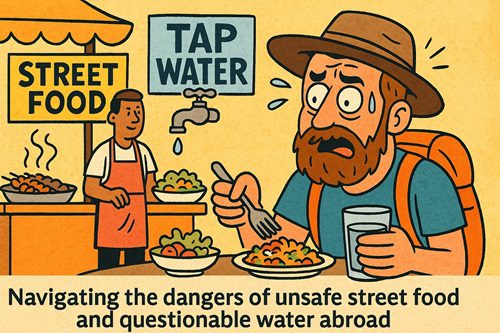
 International travel offers endless opportunities for adventure, including the chance to try new foods and local flavours. However, it also presents a serious health risk that many travellers underestimate: foodborne illness. Contaminated food and water remain two leading causes of sickness abroad, especially in destinations where hygiene standards differ significantly from those at home.
Knowing how to recognise and avoid the most common culprits can help travellers stay healthy and out of medical facilities far from home.
The Riskiest Foods for International Travellers
While no food is entirely without risk, some categories are more likely to cause illness. Raw produce, particularly leafy greens like lettuce and spinach, is often washed with untreated water and is difficult to sanitise effectively. Berries and unpeeled fruits pose similar dangers as salads made with mayonnaise, which can spoil rapidly without proper refrigeration.
Undercooked animal products are another high-risk category. Raw seafood, such as sushi, oysters, and ceviche, may harbour harmful bacteria or parasites if improperly handled. Likewise, rare meats, undercooked eggs and soft cheeses made with unpasteurized milk can be vehicles for E. coli, Salmonella, or Listeria.
Even beverages aren’t always safe. Tap water in many countries contains microorganisms that can cause severe gastrointestinal distress. Ice cubes made from untreated water and fresh-squeezed juices sold by street vendors can be just as dangerous. Buffet items left out too long, local sauces left unrefrigerated and homemade herbal remedies introduce additional risks.
In environments with limited sanitation infrastructure, even foods that seem harmless—like homemade ice cream or local teas—can present serious hazards.
Global Food Hygiene Standards: Best and Worst
Where you travel can significantly impact your exposure to foodborne illnesses. Some countries have rigorous food inspection systems and excellent water treatment facilities. Japan, Singapore, Switzerland and New Zealand are among the world leaders in food hygiene, offering travellers a lower risk of food-related illness.

Jeff Weinstein – Manager, Medical Operations
Conversely, destinations like India, Nigeria, Bangladesh, and Haiti struggle with widespread food safety and public sanitation challenges, as well as water treatment issues. Even seemingly minor lapses in hygiene—like brushing your teeth with tap water—can lead to significant health problems in these locations.
Travellers should research their destination ahead of time, not just for attractions and accommodations, but also for food and water safety conditions.
Tips for Safer Eating Abroad
General rules, such as “boil, cook, peel, or forget it,” remain essential. Bottled water should be used for drinking and even for brushing teeth. Ice should be avoided unless confirmed to be made from purified water.
Choosing restaurants with high turnover rates can also be beneficial; a busy local spot is often a good indicator that the food is fresh and the preparation standards are reliable. Still, while enticing, street food should be cautiously approached, especially where regulatory oversight is limited.
When in doubt, exercising caution with unfamiliar foods and beverages can spare travellers from serious illness.
Managing Illness While Abroad
Despite best efforts, travellers sometimes fall ill. Immediate access to trustworthy medical advice can make a crucial difference in those cases. Travel risk management providers like Global Rescue offer 24/7 access to medical professionals who can advise travellers on appropriate next steps—whether that’s finding a local pharmacy for over-the-counter remedies, consulting with an English-speaking physician, or arranging evacuation if necessary.
Pre-travel medical consultations are another critical, often overlooked step. Consulting a travel medicine expert before departure can help identify necessary vaccinations, preventive medications and location-specific risks.
Access to real-time medical guidance, particularly in remote areas or countries with limited healthcare infrastructure, can be the difference between a minor setback and a major health emergency.
The Bottom Line
Food and water safety should be at the top of every international traveller’s checklist. Understanding the risks, making informed food choices and planning contingencies are essential for maintaining health abroad. With proper preparation, travellers can enjoy local cuisine—and all the adventures that come with it—without sacrificing their health in the process.
By Jeff Weinstein
BIO:
Jeff Weinstein is a medical operations manager at Global Rescue with nearly 20 years of combined experience in emergency and disaster response, critical care paramedicine and emergency management. He is a Certified Wilderness Paramedic (WP-C) from the International Board of Specialty Certifications (IBSC).











