

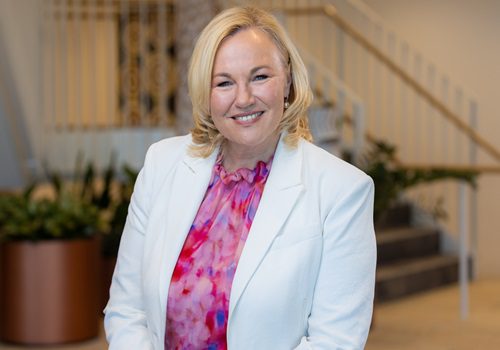
 Tourism Australia is about to bid a heartfelt farewell to the woman who steered the nation’s tourism ship through some of the most turbulent waters in recent memory. Phillipa Harrison—better known across the industry as Pip—is stepping down as Managing Director this August to take on an as-yet-unnamed international opportunity.
After nearly six years at the helm and eight years with the organisation in total, Pip’s departure marks the end of an era for Australia’s tourism sector. Bushfires, border closures, and bold comebacks defined this chapter.
From Bushfire to Boom: A Tenure Worth Remembering
It’s no exaggeration to say Pip Harrison’s time as Managing Director has been nothing short of epoch-defining. Appointed in 2019, just in time to face the Black Summer bushfires followed almost immediately by the COVID-19 pandemic, Pip was handed the kind of crisis management manual that most executives would pay good money to avoid.
But instead of ducking for cover, she rolled up her sleeves and set about rewriting the rulebook. Under her guidance, Tourism Australia pulled off what many considered near-impossible: keeping the spirit of travel alive in a country that had sealed its borders tightly than a Qantas economy meal.
“She led with vision, calm, and tenacity,” said Penny Fowler AM, Chair of the Tourism Australia Board. “Through fire, flood, and global shutdowns, Pip has been a steady hand and a fierce advocate for the role tourism plays in Australia’s national story.”
And what a story it’s been.
A Nation Stays Home—Then Reconnects With It
When planes were grounded and passports became decorative, Pip didn’t lose time waiting for the world to reopen. Instead, she launched domestic campaigns like “Holiday Here This Year” and “Event Here This Year”, encouraging Australians to fall in love with their backyard. From caravan parks in the Kimberley to art galleries in Hobart, regional operators saw a groundswell of support.
But that was just the beginning.
When international travel finally resumed, Pip had the industry primed like a well-oiled espresso machine. Global campaigns kicked off with gusto, bolstered by initiatives like the National Experience Content Initiative (NECI), a bold program designed to help operators craft compelling digital content to woo back overseas visitors.
By 2024, the numbers spoke for themselves. Australia welcomed more than eight million international visitors—the highest figure in five years. A proper comeback, built not on bluster, but on strategy, passion, and professionalism.
Leadership by Example
In a world too often clouded by corporate jargon and performative leadership, Pip brought something refreshingly human to the top job: authenticity.
“I’ve had the greatest privilege of leading an industry I love and have dedicated my life to,” she said. “Tourism in Australia is more than a sector—it’s a community. It’s economic lifeblood. It’s cultural currency.”
In her farewell remarks, she expressed heartfelt gratitude to the 300,000 tourism operators around the country and the 200 staff spread across Tourism Australia’s international offices.
“I’m proud to have represented this resilient industry through its most trying times,” she said. “And I leave knowing it is in excellent hands, driven by people who genuinely care about making Australia shine.”
The Road Ahead
Pip’s successor has yet to be named, with a global search now underway. Whoever takes up the mantle will be tasked with maintaining the momentum Pip helped rebuild—from trade partnerships and sustainable tourism strategies to digital innovation and, crucially, an enduring sense of national pride.
While the future of Tourism Australia remains bright, Pip’s influence will linger like the scent of eucalyptus after rain—subtle, persistent, and entirely Australian.
As Penny Fowler aptly put it: “She’ll be missed enormously, but her legacy is written across every region, every campaign, and every visitor who has returned to these shores.”
And let’s not forget, Pip’s work wasn’t just about putting Australia back on the map—it was about making people feel something about the map itself. That’s a legacy worth more than its weight in airline miles.
Wherever her next journey takes her, one suspects it will be first-class, not just in seating, but in spirit.
By Octavia Koo











