 Navigating an aircraft safely through the world’s most treacherous airports requires extraordinary skill, extensive training, and unwavering precision. Pilots who operate in notoriously tricky environments, such as Madeira Funchal Airport (FNC) and Innsbruck Airport (INN), must consistently demonstrate unparalleled expertise. Zbigniew Mlotkowski, Director of Crew Training at KlasJet, illuminates the intricate challenges these pilots face and the rigorous training that equips them for flawless performance.
Madeira Funchal Airport: Battling Wind, Terrain, and Turbulence
Widely recognized among pilots as one of the world’s most challenging airports, Madeira Funchal Airport demands extraordinary precision and vigilance. Located on Portugal’s scenic island, this unique airport features a runway partially supported by massive concrete pillars suspended precariously near cliffs and rising terrain. The runway’s unusual positioning mandates offset approaches, compelling pilots to fly off the centerline for extended periods.
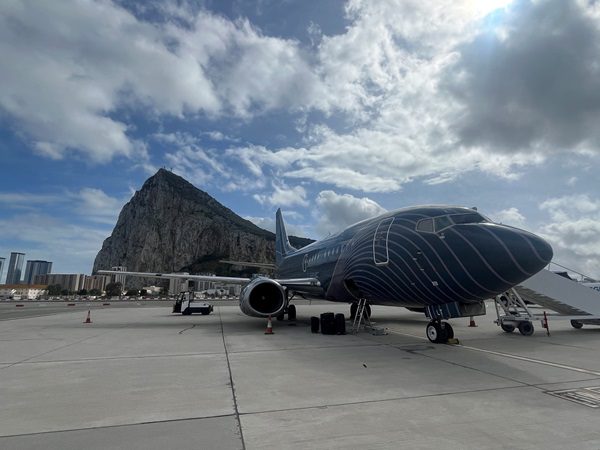
A Pilot’s Insight into Navigating the World’s Most Daunting Airports.
“The geographical complexities at Madeira, combined with frequent mountain-induced turbulence, require pilots to be exceptionally vigilant,” notes Mlotkowski. “Each landing here demands not just experience but meticulous attention to constantly changing conditions.”
Pilots flying into Madeira must carefully manage crosswinds and localized turbulence frequently arising from the surrounding mountainous terrain. These unpredictable conditions require pilots to remain alert and responsive, ensuring the aircraft’s stability throughout the approach and landing.
Innsbruck Airport: Precision in the Heart of the Alps
Innsbruck Airport, nestled in a deep valley surrounded by towering peaks of the Austrian Alps, presents another formidable challenge. The airport’s narrow corridors leave minimal margin for error. Pilots must precisely adhere to predetermined flight paths, where minor deviations could pose significant risks.
“Flying into Innsbruck Airport demands absolute precision,” explains Mlotkowski. “The mountainous terrain imposes strict limits, leaving pilots no room for error. Rigorous adherence to procedures and flight paths is absolutely critical to safety.”
Pilots rely heavily on specialized approach procedures designed explicitly for Innsbruck’s unique landscape, which mitigates the risks posed by the mountainous surroundings. These specialized procedures are meticulously rehearsed in simulation training to ensure pilots can execute flawlessly under any circumstance.
What Makes an Airport Dangerous?
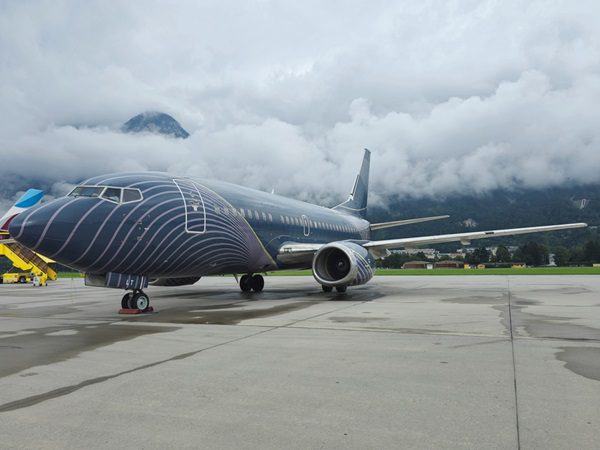
Expert Pilots Reveal Secrets of Navigating Dangerous Global Airports
Several factors determine an airport’s difficulty level, primarily terrain, runway dimensions, and weather conditions. Mountainous environments significantly increase landing complexity due to severe wind shear, crosswinds, and turbulence. Narrow and short runways further compound the challenge, demanding precise speed control and landing accuracy.
“Complex airports require meticulous calculation of aircraft performance parameters,” says Mlotkowski. “Every pilot must maintain heightened situational awareness to manage environmental unpredictability effectively.”
Advanced Simulator Training: Bridging Theory and Practice
Simulator training is the cornerstone of preparation for challenging airports. At KlasJet, pilots rigorously rehearse both routine operations and emergency procedures in high-tech simulators that recreate the precise geographical and meteorological conditions of complex airports.
“Our simulators provide pilots with a highly accurate representation of challenging airports,” Mlotkowski elaborates. “Every natural and constructed detail is faithfully replicated, preparing pilots comprehensively for real-world scenarios.”
Pilots undergo detailed sessions practising abnormal situations, including equipment failures and adverse weather, significantly boosting their confidence and preparedness. These realistic simulations ensure pilots are ready for any eventuality.
Specialized Instructor Expertise
Practical training also requires exceptionally qualified instructors with specialized knowledge and official certifications specific to challenging airports. KlasJet’s trainers undergo intense training, familiarizing themselves deeply with local regulations, operational complexities, and the nuances of each problematic airport.
“Training instructors must be highly familiar with every facet of these airports, ensuring the pilot trainees receive authentic and practical knowledge,” emphasizes Mlotkowski.
Leadership and Decision-Making: Captains Take Charge
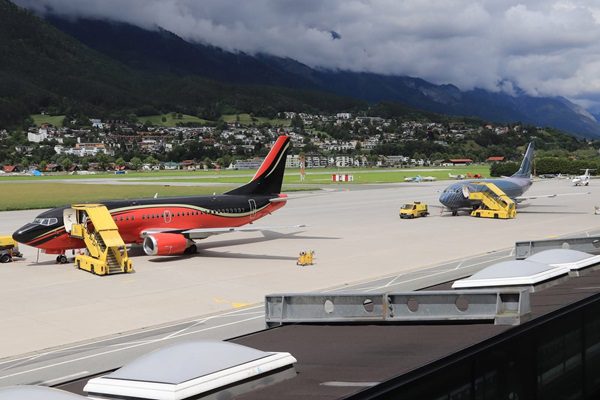
A Pilot’s Insight into Navigating the World’s Most Daunting Airports.
Given their extensive flight experience and training, only captains are permitted to handle landings and takeoffs at the most challenging airports. While the first officer and cabin crew play essential supportive roles, the captain has the ultimate responsibility.
“Captains undertake specialized recurrent training every six to twelve months, depending on airport complexity,” adds Mlotkowski. “This ensures their proficiency remains exceptional at all times, especially under pressure.”
Strategic Planning for Complex Airport Operations
Operational success at challenging airports extends beyond just piloting skills. Flight planning must meticulously account for fuel requirements and potential delays caused by difficult weather or procedural holding patterns.
“Extra fuel planning is essential when operating at these airports,” Mlotkowski explains. “Pilots must anticipate scenarios that might delay landing and ensure sufficient fuel is onboard for alternative destinations if required.”
Continuous Training and Adaptability: Keys to Safety
Continuous training remains fundamental to maintaining the high skill levels required to operate safely in these demanding environments. European aviation regulations mandate frequent recurrent training to reinforce pilots’ skills and ensure their expertise remains sharp and reliable.
“For highly complex airports, recurrent training every six months ensures that pilots’ skills and knowledge remain at their peak,” asserts Mlotkowski. “We instill in pilots a mindset of continuous learning and adaptation, essential for managing unpredictability.”
The Commitment to Passenger Safety
Ultimately, rigorous and continuous training allows pilots to confidently manage even the most challenging environments, protecting passenger safety as their top priority. Pilots must integrate theoretical knowledge, refined skills, and strategic judgment seamlessly to operate under extreme conditions.
“Safe operation in challenging airports is about more than routine training—it’s about constant improvement, precision, and unwavering dedication,” concludes Mlotkowski. “Our pilots’ expertise ensures safety and reliability, no matter how demanding the conditions.”
Written by: Michelle Warner