
In London this month, a city never short on boardrooms, banquets, or the odd late-night strategy session, FCM Meetings & Events (M&E) decided to lob a sizeable stone into the placid pond of the global meetings industry. Their new Strategic Meetings Management (SMM) framework is not just another acronym — it’s pitched as a full-scale rethink of how companies organise, value and profit from their meetings.
For years, too many corporations have treated meetings as a messy overhead: a line item to be trimmed by procurement when the economy coughs. FCM is betting that mindset is both dated and dangerous.
A Framework with Bite
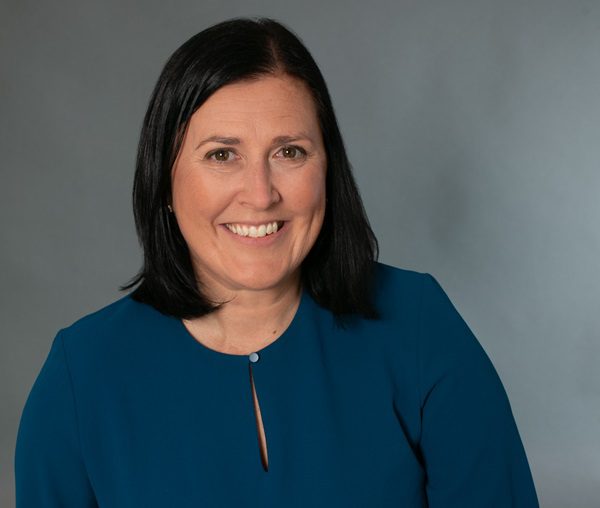
Simone Seiler – Global General Manager – FCM Meetings & Events
“Clarity, consistency, differentiation, focus, scalability.” The words rolled smoothly off the tongue of Simon Seiler, FCM M&E’s Global General Manager, when he unveiled the framework. Words are easy, but this time, the substance seems to match.
The new model is designed to corral the chaos. Companies can start small, centralising venue selection, appointing account managers, and plugging reporting gaps, and then scale the system up to global heights, complete with benchmarking and performance intelligence.
It’s no coincidence that the programme was launched at the Strategic Meetings Summit. The sector has long cried out for a mid-market solution: something weightier than boutique fixes but without the elephantine heft (and fees) of legacy enterprise systems. FCM is sliding neatly into that space.
From Overheads to Strategic Assets
The three stages of the framework read almost like a playbook:
-
Meetings Essentials – Get the house in order. Centralise activity, stop duplication, and bring in compliance.
-
Meetings Enablement – Once the order is achieved, start squeezing efficiencies. Align suppliers, manage spend, and deliver consistency.
-
Meetings Intelligence – The top shelf. Use data to inform executive decision-making and make meetings a competitive advantage rather than a cost.
Seiler summed it up bluntly:
“Equipped with the essentials needed for effective meetings management, the solution has visibility, compliance, operational grip, cost control, stakeholder engagement, and strategic insights.”
In other words, the days of treating meetings as glorified coffee mornings are numbered.
Why Now?
Anyone with a pulse in the travel and MICE sector knows the landscape is shifting. Political unrest, compliance demands, rising costs, and ESG pressures mean the conference circuit is hardly the carefree one of the 1990s. Companies need systems that are nimble, global, and transparent.
Traditional players are still clinging to structures built for another era. FCM’s move is designed to show that meetings don’t have to be stuck in the past. And let’s be frank: if you can’t measure, optimise, and justify your meetings programme today, you’ll answer awkward questions in tomorrow’s board meeting.
A Market Gap Finally Filled
What’s clever here is the positioning. The global giants have had complex, rigid, and often too expensive systems for years. Smaller operators offer piecemeal fixes that buckle once a company dares to operate beyond state borders. Mid-market firms, meanwhile, have been left stranded.
By building a framework that grows with the client, FCM plays to a sweet spot. That’s not marketing puff, but an overdue recognition of where the demand lies.
As Seiler added,
“By filling the industry gap with its clearly defined strategy and agile structure, we’re best-placed to seize significant multi-market opportunities, demonstrating ourselves as the preferred choice for businesses seeking a real, alternative edge in meetings management.”
One almost imagines rival providers shifting uneasily in their swivel chairs.
The Bigger Picture
For the wider industry, this isn’t just about FCM. It’s about whether meetings are finally treated with the strategic seriousness they deserve. A well-run meeting is not a luxury in an age where hybrid work has scattered teams across time zones. It’s the glue that holds strategy together.
If FCM’s gamble pays off, we may look back on London 2025 as meetings moved from afterthought to centrepiece.
Final Word
Of course, frameworks and acronyms come and go. What matters is whether clients take the leap and whether the promised clarity and scalability survive the messy reality of corporate calendars.
But credit where it’s due: FCM M&E has put its flag in the ground with conviction. In a sector known for conservatism, that alone is refreshing.
As every seasoned traveller knows, the first rule of survival is simple: adapt or be overtaken.
By Christine Nguyen
 BIO:
BIO:
Christine arrived in Australia as a refugee from Vietnam, building a new life with her family in Sydney. She studied Tourism at TAFE and spent many years in inbound tourism, where her passion for connecting travellers with Australia’s unique experiences flourished. Later, seeking a sea change with her family, Christine carried her creative streak into designing brochures and penning blogs for her company, discovering along the way a love for storytelling that continues to shape her work today.