
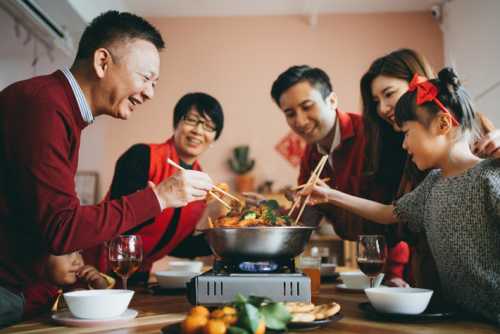
Booking.com’s ‘Taste of Home Asia Pacific’ research reveals that food is playing a central role in shaping the holiday home experience in 2025. Travellers across the region are increasingly selecting holiday homes that offer accessibility and freedom to dine, host and/or cook in unique, authentic spaces and destinations. These culinary moments are becoming more than just mealtime; they are opportunities for connection, cultural immersion and creating lasting memories that transform food into cultural gateways rather than just travel highlights.
The research, based on a commissioned survey of over 8,000 travellers across Asia Pacific, reveals how food-driven experiences profoundly influence travel decisions. As travellers seek more meaningful and personalised stays, holiday homes have emerged as a key part of this evolving trend.
Holiday Homes – The Secret Ingredient for Foodie Stays
The diversity of food trends and preferences profoundly influences how travellers explore the world, with holiday homes emerging as the accommodation of choice for culinary exploration. Holiday homes are a chosen accommodation type for this culinary exploration, with 97% of foodies altering their cooking and eating habits whilst travelling. They frequent local markets (85%), cook local dishes (34%), try new appliances (33%) and experiment with new recipes (34%). For Australia, food significantly shapes travel, with 79% influenced by it and 82% selecting destinations for specific food spots. Holiday homes offer flexibility (46%), privacy (44%), kitchen access (41%), and freedom to eat at any time (40%), supporting fresh, communal meals.
Dining out is also a holiday highlight for all [market] foodie travellers, with 62% regularly eating at local restaurants whilst abroad. Additionally, 36% book holiday homes for better access to local dining experiences. Ultimately, 82% of [market] have chosen a destination solely to visit a particular restaurant or food establishment.
There are four standout trends shaping the culinary holiday home travel experience across Asia Pacific. From who’s taking charge in the kitchen to how travellers shop, dine, and define their foodie identities, these trends reveal new insights behind the region’s growing appetite for holiday home stays.
- THE NEW HEAD CHEF IN THE HOLIDAY HOME
The “chef” role in holiday homes is shifting. Only 13% of Australian travellers default to their mum as cook. Younger generations are now confidently taking the lead, blending family recipes with new ideas. Gen Z (38%) most often cooks family recipes, compared to Millennials (34%), Gen X (31%), and Boomers (16%). Gen Z (23%) also most frequently cooks their own food, versus Millennials (16%), Gen X (10%), and Boomers (4%). Notably, 25% of Aussies cook to host at their holiday homes, rising to 32% for Gen Z.
- HOLIDAY KITCHEN PERSONAS
Holiday homes are transforming more than just where we eat; they’re revealing who we are when we step into the kitchen. Four distinct holiday kitchen personalities are emerging:
- The comfort-driven Traditionalist who favours family recipes (38%) and comfort foods (33%).
- The bold Experimenter who makes up a third (34%) of those who enjoy trying new recipes and cooking methods.
- The laid-back Minimalist who shifts to cooking simpler and quicker meals when staying in a holiday home (42%)
- The ever-entertaining Socialite, known for their kitchen flair and lean towards communal or group cooking (34%)
Together, these personas show that the holiday home kitchen is no longer merely functional; it’s a stage for flavour, creativity, and connection.
- TROLLEY TOURISM
Forget souvenirs; today’s travellers are filling their shopping baskets with fresh produce and pantry staples. Across Asia Pacific, holiday homes are fueling a rise in “trolley tourism,” where visits to local food markets, foodie festivals, and trendy or cult-favorite supermarkets are becoming part of the travel experience. Aussie travellers, in particular, are embracing this trend, choosing to support local businesses and cook with fresh, seasonal or regional ingredients during their stays. It’s not just about eating well; it’s about shopping smart and connecting with the local food scene. Notably, 88% of Aussie travellers enjoy visiting local supermarkets or food markets on holiday, a figure that rises to 96% among frequent holiday-home bookers.
- PORTABLE PANTRY
Travellers across Asia Pacific are bringing their kitchens with them. They pack favourite spices and appliances, creating a “portable pantry” for comfort, tradition, and convenience. This makes holiday kitchens familiar while allowing destination exploration. 80% of Australians bring food or cooking items, including tea/coffee (38%), wine (25%), sauces (24%), coffee machines (13%), and BBQ tools (13%). This trend is even more common in other Asia Pacific destinations, with over 90% of travellers from India, South Korea, Vietnam, Thailand, and Indonesia doing so.
Travellers choose types of homes that allow them to cook, dine, and connect, from beachside barbecues to city kitchens. In Australia, nearly half of foodie travellers (48%) prefer beach houses for food-focused stays. Other popular options include city apartments (38%), private villas (36%), country cottages (32%) or lakeside cabins (29%).
Holiday homes are also ideal for both relaxed getaways and major celebrations, offering guests the flexibility to cook nourishing meals, host lavish feasts, or balance both with exploring local food scenes. In Australia, leisure is the primary reason for booking behind family trips, with 38% booking purely to unwind, 29% for wellness escapes, 26% for birthdays or anniversaries, and 25% for trips with friends.
“Booking.com’s Taste of Home research shows food is the centrepiece of holiday home travel. Travellers embrace holiday homes not just for comfort, but to explore local flavours, experiment with cooking, and connect over shared meals. Culinary experiences are becoming a key factor in travel decisions, transforming holiday homes into dynamic spaces for discovery and connection.” says Laura Houldsworth, Managing Director for Asia Pacific at Booking.com.
At Booking.com, we understand what makes a holiday home stay easy and memorable. This research provides valuable insights into what travellers are looking for – helping foster positive conversations on the role of alternative accommodations in supporting local tourism economies. These findings also empower property owners to better understand traveller preferences and plan for their guests’ needs. With over 8.4 million holiday homes amongst our 31 million listings, our goal is to offer the widest possible choice of great stays globally, and make it easier for everyone to experience the world.”