

If you’ve ever fancied the idea of chasing sunsets down a lonely stretch of outback highway, this may give you pause. New research has exposed Australia’s most treacherous roads to break down on and as one ex-SAS survivalist wryly points out, “luck won’t get you home.”
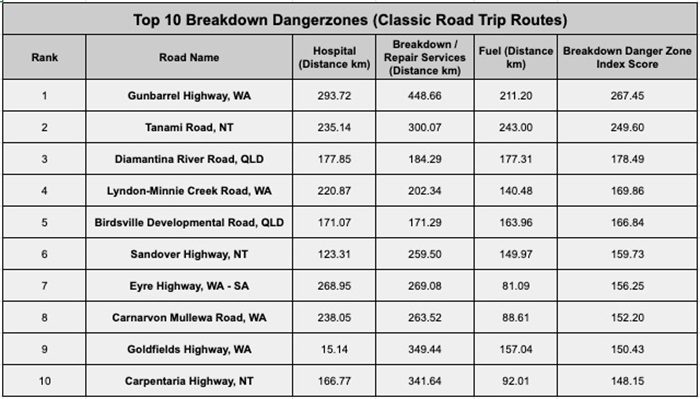
The study, commissioned by leading car hire comparison site VroomVroomVroom, mapped Australia’s most popular road trip routes against the lifelines every stranded motorist prays for: hospitals, mechanics, and petrol stations. The results are chilling in their clarity, pinpointing the exact coordinates where being stranded isn’t just inconvenient; it could be deadly.
And if that isn’t sobering enough, survivalist and founder of Working Paws Australia, Ryan Wilson, has offered a soldier’s perspective on what to do when the engine gives out and the horizon suddenly feels endless.
Gunbarrel Highway: Beautiful, Brutal, and Best Avoided for Breakdowns
Top of the danger list is Western Australia’s infamous Gunbarrel Highway. Picture it: blazing skies, shimmering desert heat, the Milky Way unfurling at night like an open-air planetarium. Then imagine your car sputtering to a halt, hundreds of kilometres from civilisation. That’s the reality.
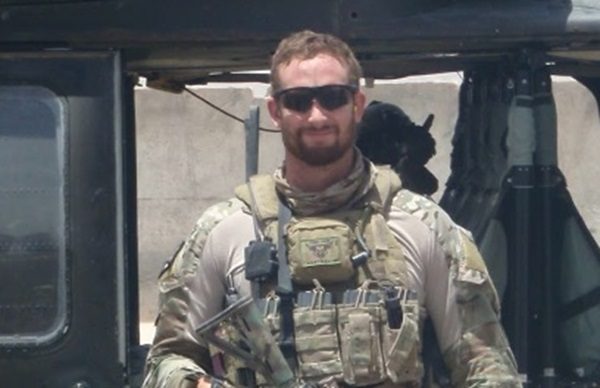
Ryan Wilson is on board a military exercise
Wilson, who once served in the SASR, is blunt:
“This study from VroomVroomVroom is a timely reminder of just how unforgiving Australia’s terrain can be. Breakdowns happen, and when they do — especially in remote areas — you need more than luck to get through them.”
The Gunbarrel isn’t alone in its menace. The Tanami Road, straddling the Northern Territory and Western Australia, will leave the unlucky motorist over 200 kilometres from help. Meanwhile, Queensland’s Diamantina River Road and Birdsville Developmental Road lure travellers deep into the outback, leaving them stranded with scant chance of timely rescue.
The Survivalist’s Gospel: Pack Like Your Life Depends on It (Because It Does)
Wilson insists preparation isn’t just for soldiers or survival TV personalities, it’s the difference between a nightmare and a close call.
“Heading into remote or rugged parts of Australia? Preparation is everything,” he said. “You don’t need military training to stay safe; you just need the right gear and a clear plan.”

Ryan Wilson is on board a military exercise
Among his non-negotiables:
-
Navigation maps and GPS
-
Car repair equipment and roadside assistance contacts
-
Food, water, first aid kits, and a multitool
-
Sunscreen, wide-brimmed hat, sunglasses
-
Poncho, insect repellent, snake-bite bandages
-
Notepad, pen, emergency contact list
Wilson wryly adds, “You never know what situation you might be in. Paper and a pen can matter as much as a GPS when things go wrong.”
Don’t Lose Your Head – Or Your Car
Another cardinal rule: stay with your vehicle.
Wilson explains: “Your vehicle is full of useful materials. You can use the bonnet or doors to create shade, or rig up a tarp with seat covers or clothing. If you’ve got rope or cable, tie it between the car and a tree to make a lean-to.”
Walking away is, in his words, a “last resort” that demands careful calculation. “If you must move, know your direction. Carry water, sun protection, and a way to communicate. Avoid valleys where you’ll be hidden. It’s not about being tough; it’s about being smart.”
The Art of Being Seen
It’s not enough to wait for help; you must attract it.
“Keep your signalling tools close,” said Wilson. “Use mirrors, CDs, or foil to flash sunlight. Create ground signals like SOS using rocks. At night, even smoke from a small fire can save your life.”
In other words, survival is as much about theatre as endurance. Make yourself impossible to miss.
Car Hire Firms Add Their Own Warning
Mike Boyd, CEO of VroomVroomVroom, stresses that these findings aren’t meant to discourage Australians from embracing the great road trip, but to inject a dose of realism into the romanticism.
“Road trips are one of the best ways to see Australia, but our data highlights how quickly things can turn serious if your vehicle breaks down in a remote region and you’re not adequately prepared,” Boyd said.
He notes that most major rental firms forbid drivers from taking vehicles onto unsealed roads like the Gunbarrel or Tanami — a rule ignored at peril, since breaching it can void insurance.
“To truly enjoy an Aussie road trip,” Boyd concluded, “renters need to read and follow the terms of their rental agreement. That way, they’re both safe and covered wherever the journey takes them.”
Why This Matters
Road trips are stitched into Australia’s cultural fabric. From the red dust of the interior to the salt-sprayed Great Ocean Road, hitting the open highway is almost a rite of passage. But as Wilson reminds us, romance without preparation is folly.
His final advice has less to do with tools and more to do with temperament:
“Mindset matters. Plan your route, check the weather, and tell someone when you expect to arrive. Calm, deliberate action saves lives.”
In a country where distances dwarf imagination and help can be hundreds of kilometres away, such wisdom isn’t optional. It’s survival.
Final Word
So, before you roll down the windows and turn up the playlist, take Wilson’s gospel to heart – pack for contingencies. Respect the terrain. And remember that Australia’s beauty comes with teeth.
Because out here, the road doesn’t forgive, but preparation can.
By Christine Nguyen