
A particular kind of tourist arrives in Mallorca, takes one look at the turquoise bays, orders a sangria, and promptly forgets the island exists beyond the hotel pool. Bless them. But for those who believe travel is about connection rather than cocktails-on-repeat, Mallorca rewards curiosity with a natural magic that lasts long after the tan fades.
This isn’t just an island with pretty scenery. It’s a living, breathing tapestry, part Mediterranean jewel, part stubborn custodian of its soul. And right now, it’s quietly leading the charge on how to keep tourism booming without trampling the very beauty that draws people here in the first place.
Where the parks are the true attractions
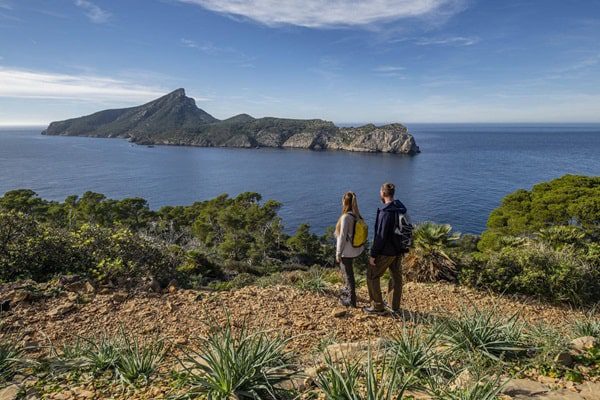
Five natural parks dot the island like green exclamation marks. The Llevant Peninsula, with its oak forests and windswept ridges, feels as far from the package-tour strip as possible. Sa Dragonera, an offshore sentinel of cliffs and sea caves, might take flight if it weren’t so busy guarding the coastline.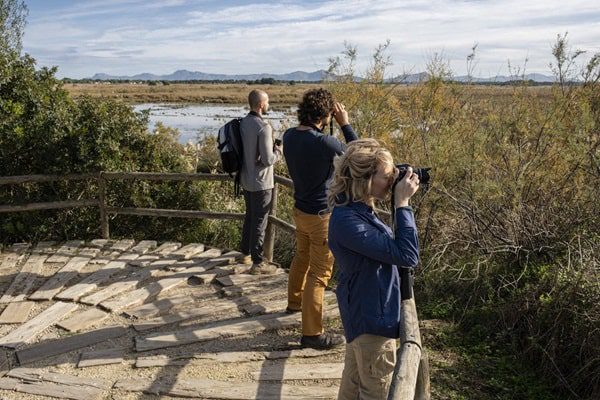
Mondragó offers the delicious dilemma of hitting the trail first or diving straight into one of its postcard-perfect coves. In S’Albufera, the birds are the real VIPs, arriving from Siberia to gossip in the reeds. And then there’s the Serra de Tramuntana, a UNESCO World Heritage Site and Mallorca’s “green lung” where terraced hillsides, stone villages, and ancient olive groves speak of centuries of hard graft and quiet pride.
For the truly unspoiled, Cabrera National Park is a boat ride away, where the night sky spills over with stars you never knew existed, and the silence is so pure it feels like an endangered species.
Nature with personality and surprises
Mallorca isn’t shy about showing off its quirks. Take the Torrent de Pareis, a canyon carved deep into the Serra, which is perfect for the hike and makes you feel virtuous enough to justify an extra tapas dinner. Or the Fonts Ufanes, springs that bubble up only after heavy rain, like the earth sighing with relief.
These aren’t just natural wonders; they’re reminders that the island’s beauty is as fragile as fabulous, which is where Mallorca’s latest act of good sense comes in.
The pledge to keep paradise intact
Rather than ask visitors to “be nice,” Mallorca has formalised its request as the Mallorca Pledge, a manifesto for responsible tourism. It’s not a lecture; it’s an invitation to join the locals in caring for their home. And it’s refreshingly practical.
The pledge asks for small, achievable acts: stick to marked trails, pick up rubbish (yours and, if you’re feeling saintly, someone else’s), avoid disturbing marine life, and never anchor on the fragile posidonia meadows that keep the sea so vividly blue. Walk or cycle when you can; choose accommodation with solid eco-credentials; and remember that water, here, is a precious thing, not an infinite tap.
Sign it online at www.mallorcapledge.com, and you’ll no longer be just a tourist; you’ll be an accomplice in the island’s long-term survival.
Why it matters
This is more than environmental PR. Mallorca understands that tourism isn’t worth much if the product — the island itself — is allowed to fray at the edges. The best way to future-proof its economy is to ensure that the beaches stay clean, the trails are walkable, and the wildlife is plentiful.
And, let’s be honest, it’s also suitable for travellers. Nobody books a trip hoping to swim past crisp packets or watch sunsets over concrete sprawl. Sustainable tourism ensures the Mallorca you fall in love with this year will still be there next time, perhaps even better for the care you showed.
A final word from the heart
Mallorca doesn’t just want to be “visited.” It wants to be lived — from the early-morning market in Sóller, to the thyme-scented hills of the Tramuntana, to that second glass of wine you linger over because the light is too perfect to leave.
And in living it, you leave something behind — not litter, but a legacy. A promise that your footsteps will be part of a care chain stretching far into the future.
Because in the end, the most incredible souvenir isn’t something you pack in your suitcase. It’s knowing you were part of keeping an extraordinary place extraordinary.
By Jason Smith