
 In a year when tourism is once again spilling across borders faster than a tuk-tuk in Bangkok traffic, the Greater Mekong Subregion (GMS) has decided to trade in the old “how many heads can we cram into this temple” model for a more civilised approach: one focused on quality, not just quantity.
Indeed, from the steamy jungles of Cambodia to the coffee-scented hills of northern Lao PDR, GMS nations are embracing the twin lodestars of sustainability and visitor management, ensuring that the post-pandemic boom doesn’t trample the very heritage it seeks to showcase.
And the timing couldn’t be sharper. With international arrivals surging back like a flood tide, the region’s tourism chiefs have swapped spreadsheets for vision boards – and the 2025 Mekong Tourism Forum (MTF), set to unfold in Luang Prabang from 25–27 June, is shaping up to be the showpiece of this new ethos.
“It’s no longer about filling hotel beds – it’s about creating legacies,” said Somchai Nantakorn, a senior tourism strategist from Bangkok. “We’re curating experiences, not just itineraries.”
From Visa Dreams to Digital Schemes
Vietnam has made a particularly canny move. With a nod to the retirees, remote workers and long-stay wanderers of the world, the country has rolled out a 10-year Golden Visa scheme. This clever little document, now causing a stir in expat WhatsApp groups, offers long-term stays with fewer bureaucratic headaches, and it’s aimed squarely at those willing to trade the Old Quarter’s chaos for a slower, more immersive sojourn in Vietnam’s lesser-known provinces.
Meanwhile, Thailand has ditched its dated arrival paperwork and flung open the gates to the digital age with its new streamlined Digital Arrival Card – a godsend for anyone who’s ever spent a jetlagged hour fumbling for a pen mid-immigration queue.
Further east, the Lao PDR is polishing its tourism jewel: Luang Prabang. The former royal capital, with its saffron-robed monks and sleepy Mekong views, is pursuing Green Destination certification – a feather in its cap that would not only attract eco-conscious travellers but elevate it as the crown jewel in Asia’s slow tourism movement.
“Our aim is to preserve Luang Prabang as a living heritage site – not a selfie factory,” said Vannasone Phoumkham, head of tourism planning in Lao PDR.
Infrastructure with Ambition
Cambodia, for its part, is taking to the skies – quite literally. Phnom Penh and Siem Reap are seeing significant upgrades to their aviation infrastructure, ensuring that tomorrow’s visitors will land with ease, even as they’re encouraged to venture beyond Angkor Wat into the country’s lesser-trodden corners.
And there’s no shortage of new regional carriers eager to ferry them there. Several boutique airlines are expanding their GMS networks, linking emerging hotspots like Savannakhet and Battambang to regional hubs like Bangkok and Ho Chi Minh City.
This growing web of connections, both physical and digital, signals a broader ambition: to decentralise tourism and ensure that communities across the region reap the benefits, not just the top five TripAdvisor sights.
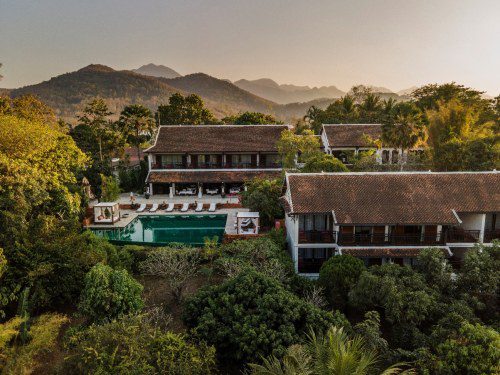
La Résidence Phou Vao Unlocks Past and Present Secrets of Fabled UNESCO World Heritage Luang Prabang
All Eyes on Luang Prabang: MTF 2025
The Mekong Tourism Forum 2025 will be where the strategy rubber meets the proverbial tarmac. Bringing together ministers, operators, environmentalists, and the occasional wide-eyed travel writer, MTF 2025 aims to create actionable blueprints for tourism that benefit the land, the locals, and the long term.
Expect robust discussions on managing crowd flows, heritage preservation, and how AI and digital tools (yes, even the robots have a seat at the table) can support, rather than replace, the human heart of hospitality.
One of the more anticipated panels, cheekily titled “Temples, Taboos and TikTok,” will explore the balancing act between cultural integrity and online virality – a modern dilemma for any destination blessed (or cursed) with aesthetic allure.
“There’s no silver bullet for overtourism,” remarked Kanya Chanthavong, an academic from the University of Laos. “But with data, dialogue, and some good old-fashioned common sense, we can stop history from becoming casualty.”
A Region Rewrites Its Future
Ultimately, what’s brewing across the GMS isn’t just policy polish – it’s a tectonic shift. The region, once known for backpacker bargain-hunting and busloads of lens-wielding sightseers, is repositioning itself as a model of sustainable development. It’s not only a reaction to the challenges of mass tourism, but a proactive embrace of tourism as a meaningful, long-term contributor to economic and cultural vitality.
In a world teetering between climate anxiety and digital overload, the Mekong nations are offering a new kind of escape: slower, wiser, and rooted in place. And as the world starts travelling again – with a little more thought, and perhaps fewer hashtags – this region stands ready not just to welcome, but to lead.
So next time you’re mapping your great Southeast Asian adventure, consider taking the road less Instagrammed. The GMS is waiting – with open arms and one eye firmly on the future.
By Christine Nguyen