
 I have had the privilege of living and working in Thailand since 1991, and over the decades, I’ve seen this beautiful country evolve into one of the world’s most beloved travel destinations. From the post-Gulf War recovery years to the boom of the early 2000s and, more recently, the challenges of COVID-19, Thai tourism has experienced its share of highs and lows.
Today, Thailand faces another pivotal moment. A downturn in international arrivals is challenging us to pause, reassess, and reimagine what tourism in Thailand could—and should—look like. And in my view, that’s not necessarily a bad thing. I believe it’s a much-needed opportunity.
Sustainability: A Foundation for the Future
One of the most promising shifts I’ve observed in recent years is the hospitality sector’s growing commitment to sustainability. Eco-lodges, organic farms, and community-based tourism projects have emerged nationwide, from Chiang Rai to Trang. In my experience, these ventures appeal to conscientious travellers and build stronger links between tourism and local livelihoods.
The Tourism Authority of Thailand (TAT) should build upon this momentum. Sustainability isn’t just a trend—it’s the future. We now need a coherent national strategy that positions Thailand as a leader in regenerative tourism.
Khao Yai: A Missed Opportunity

Khao Yai is famous for its winemaking
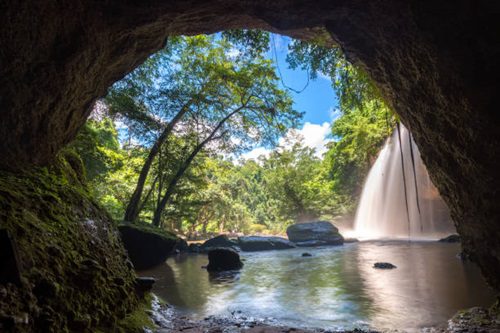
Let me give a concrete example. Khao Yai is a place close to my heart and glaringly under-promoted. Just a few hours from Bangkok, this area spans four provinces—Nakhon Ratchasima (Pak Chong), Saraburi, Prachin Buri, and Nakhon Nayok. Its dramatic mountain landscapes, cool climate, and European-style vineyards make it a unique destination. And yet, when I search for it on the TAT website, it’s virtually invisible.
I suspect this oversight stems from its geographical complexity and infrastructural limitations. But I believe those are exactly the challenges a national tourism body should address, not avoid. The absence of clear public transport, limited taxis, and scant nightlife shouldn’t be reasons to ignore such a gem. They should be priorities to fix.
Why Bilingual Marketing Matters
Another observation I’ve made over the years is how much Thailand’s tourism potential is limited by language. So many of TAT’s regional campaigns—such as the Green Season promotions—are only available in Thai. That’s fine if you’re targeting Bangkok-based Thais, but what about the millions of expatriates and repeat international visitors who want to discover more than just Phuket or Pattaya?
A simple shift to bilingual content could open a world of hidden destinations to foreign eyes. Take Phu Ruea in Loei, or Nakhon Phanom along the Mekong—places rich in history, culture, and natural beauty. These places deserve attention, and a few lines of English copy could make all the difference.
Domestic Tourism: Think Beyond the Capital
During COVID, I watched with interest as the Thai government rolled out domestic tourism schemes like We Travel Together (Rao Tiao Duay Kan) and Thai Rak Thai. These were vital during the crisis and showed how quick action could support local economies. However, they often presumed a specific profile: middle-class, urban, and Bangkok-based.
But in my experience, Thai domestic tourists come from all walks of life. For example, the vibrant communities of Isan represent a vast market that is still largely overlooked in national planning. If we want tourism to be more inclusive and sustainable, we must design programmes reflecting Thailand’s regional diversity.
That’s why a new hybrid campaign—something like Love Thailand (Rak Thailand)—could be a game-changer. Combining incentives for both domestic and international travellers, it could promote overlooked destinations, support SMEs, and encourage travel that’s environmentally responsible and locally rooted.
Regional Promotion: A Smart Strategy
TAT’s offices in Singapore, Kuala Lumpur, New Delhi, and Mumbai are vital in promoting Thailand. But I suggest broadening the narrative they share. Instead of just selling the same beach holidays, why not highlight off-the-beaten-track gems like Phatthalung, Nan, or even the cultural quarters of Nakhon Ratchasima?
With better air links, improved signage, and more local guides, these regions could easily become favourites for international travellers, especially those looking for authenticity over crowds.
A Chance to Reimagine
Thailand’s natural beauty, rich culture, and welcoming people continue to be our greatest assets. But we can no longer rely solely on those strengths. If we want to future-proof our tourism sector, we must act now—with creativity, inclusivity, and a bold vision.
My hope is that we use this moment not to return to business as usual but to shape a tourism industry that is smarter, greener, and more regionally diverse.
After all these years in Thailand, I remain as optimistic as ever. This country has everything it needs to thrive, and now it’s time to share it with the world.
By Andrew J Wood
BIO:
Andrew, a seasoned travel writer and former hotel General Manager, has been a leading expert in Thailand’s hospitality and tourism scene since 1991. With over 40 years of industry experience, he is a Napier University, Edinburgh graduate in Hotel and Hospitality. Originally from Yorkshire, UK, he gained valuable experience with Thistle Hotels, Hilton International in Paris, and Sheraton Hotels in London before moving to Thailand. Andrew has managed some of the country’s top hotels and is a dedicated Skålleague, having served in leadership roles within Skål International. A respected lecturer and writer, his insights are widely followed in the industry.