
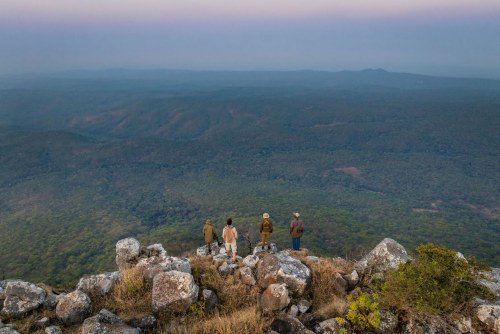
With Malawi recently included as the only African destination in leading travel trade body ABTA’s ‘Destinations to Watch in 2025’, this looks to be another year of growth for the fast emerging ‘Warm Heart of Africa’. In a series of emails, we’re taking a look at some of the developments from 2024 and plans for 2025 that underpin this upward trajectory.
So far we have issued the following roundups:
Part 1 – Malawi’s Tour Operators & Transport Companies – View
Part 2 – Liwonde National Park – View
Part 3 – Lilongwe – View
Part 4 – Lower Shire Valley – View
In this fifth and final instalment, we head north through the untouched beauty of Nkhotakota Wildlife Reserve followed by a spotlight on two of North Malawi’s accommodations that are revolutionising sustainable travel.
Looking North: Conservation, Culture, Adventure and Sustainable Growth in Malawi
Although the majority of its visitors head to the south of the Malawi, for those willing to venture north of Lilongwe, a similar variety of cultural, wildlife, lake and scenic experiences & activities is available, in areas of even more dramatic landscapes, and even fewer tourists! The region has witnessed transformative projects in eco-tourism, education, and community development in 2024. And as it looks toward 2025, exciting plans promise to further enhance its reputation as a must-visit area, rich in natural beauty and cultural heritage.
Preserving and Enhancing Nature’s Splendour
In 2024, Tongole Wilderness Retreat elevated guest experiences by refurbishing its rooms with new curtains and refreshed décor while enhancing the central lodge for better comfort and ventilation. The swimming pool area was repainted and cleaned, and game drive Land Rovers were upgraded to ensure safety and comfort. Wildlife sightings improved due to an increasing animal population in the reserve. Hiking routes, including the Kasukusuku Hill trail and new walking paths along the Bua River, offered guests opportunities to spot hippos and crocodiles. Community and school visits, as well as excursions to Muta Falls and Katope Rocks, enriched guest stays.
Tongole remained committed to sustainability and local empowerment, providing employment to community members trained in various hospitality roles. Culinary services saw remarkable improvement, with guests praising meals prepared by Chef Habil James, as reflected in TripAdvisor reviews. Tongole’s dedication to excellence was recognized when it won the Safari Awards for Best Family Experience and second-Best Safari House in Africa. The retreat also continued its conservation work through the Tongole Foundation, renovating classrooms for 950 students at Mwalawatongole Primary School and constructing two teachers’ houses with support from UK volunteers and local community contributions.

Hippo in Nkkotakota Wildlife Reserve © Christin Theilig
Kachenga Bush Camp, nestled in Nkhotakota Wildlife Reserve and managed by the Tongole Foundation, underwent significant upgrades in 2024. Its three chalets were re-thatched and redecorated, and the camping area was expanded with convenient water points. Budget travelers enjoyed this serene environment, where evenings were spent around the campfire, listening to stories shared by Juma Linyama, a lifelong resident of the reserve. Infrastructure improvements also extended to road networks, enhancing access to key attractions. A new website showcased Tongole’s offerings, and volunteer trips were organized to further community engagement.
Looking ahead to 2025, Tongole plans to introduce new rubber canoes for the Bua River and add another game drive vehicle to improve safari experiences. Two new walking trails will open, offering enhanced wildlife viewing opportunities. The retreat will expand its voluntourism initiatives and launch immersive bush walk safaris, strengthening its commitment to conservation and sustainable tourism.

Aerial View of Tongole Wilderness Retreat
A Beacon of Eco-Tourism and Education
Luwawa Forest Lodge focused on innovative eco-tourism in 2024, catering to larger groups, including schools, churches, and organizations. These groups enjoyed immersive programs combining nature, conservation, and cultural learning. Tailored 3-4 day packages offered accommodation, meals, and a diverse range of activities designed to foster teamwork, leadership, and problem-solving.

For 2025, Luwawa aims to attract increased bookings with the modification of its 74-kilometer trail connecting the lodge to Kachere Kastle on Lake Malawi. This four-day journey through indigenous forests and remote landscapes is best experienced from May to November. The lodge also plans to expand corporate team-building programs with innovative activities that leverage its natural surroundings.
A stronger emphasis on environmental education will be introduced in collaboration with the Luwawa Environmental Trust. Interactive workshops, nature walks, and hands-on activities will teach conservation and sustainability to school groups. Additionally, an ambitious tree-planting initiative will involve local schools, distributing thousands of pine and indigenous trees to promote biodiversity and combat deforestation.

Luwawa Centre for Environmental Education
Community-Centric Progress and Sustainability
In 2024, Butterfly Space Lodge combined luxury and eco-consciousness by upgrading chalets with locally sourced, upcycled materials. A new co-working space with Starlink internet provided stunning lakeside views, enhancing its appeal to digital nomads.
The lodge expanded community programs significantly. EARTH Workshops taught regenerative farming and sustainable practices, while a tree nursery prepared to plant 12,000 seedlings during the rainy season. The Information & Media Centre, equipped with new computers and Starlink internet, provided IT lessons to local students. Stepping Stones School celebrated milestones with new facilities, a student hostel, and vocational certifications. The Pundu Disability Centre saw advancements in permaculture, feeding programs, and sign language outreach.

Chalets are being upgraded with locally sourced and upcycled materials
For 2025, Butterfly Space plans to build a lakeside deck complete with hammocks and cozy seating areas, ideal for yoga retreats and relaxation. Partnerships with local guide and artisan associations will enrich guest experiences through unique expeditions and cultural events. A new community library and resource center in Pundu village will introduce laptops, projectors, and speakers. Agroecology and permaculture practices will be demonstrated on community grounds, alongside a tree-planting initiative involving 15,000 trees.
Stepping Stones School will soon connect to the national electricity grid, allowing its library and resource centre to serve the community with state-of-the-art equipment.

Students of Stepping Stones School
A Future of Promise and Sustainability
The developments in this lesser visited part of Malawi showcase a harmonious blend of eco-tourism, education, and community upliftment. With plans for 2025 centered on enhancing natural experiences, fostering environmental stewardship, and empowering local communities, the region will continue on its path of sustainable growth. Visitors are encouraged to venture north for meaningful, immersive experiences in one of Malawi’s most captivating areas.