
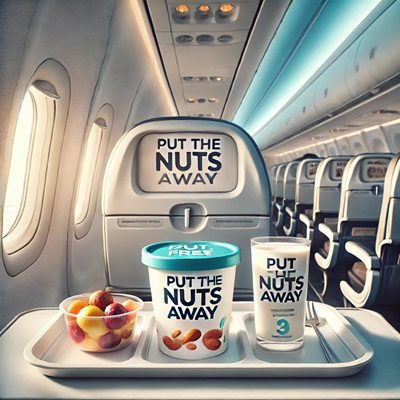
 As the number of travellers affected by life-threatening food allergies climbs to 1 in 7, the Safer Tourism Foundation launches a powerful campaign urging airlines and rail operators to take immediate, transparent, and consistent action.
The Hidden Risk in Travel
A quiet crisis is brewing in the travel industry. A staggering one in seven travellers now faces potentially life-threatening food allergies, a critical safety concern that could turn any trip into a nightmare. According to recent research from the Safer Tourism Foundation, this represents a 25% increase in food allergy incidents in just six months.
For these travellers, the risks aren’t just about the food they consume. Contaminated seat surfaces, airborne allergens, and inconsistent safety policies among travel providers compound the danger.
“Food allergies are far more common than many realize,” says Katherine Atkinson, CEO of the Safer Tourism Foundation. “And while travelers with severe allergies often take extraordinary measures to protect themselves, the industry must step up and share the responsibility for their safety.”
Impact on Travelers’ Lives
The impact of food allergies on travel plans is profound. Safer Tourism’s data highlights the emotional and logistical toll:
- 50% of affected travellers admit to feeling nervous or anxious about travelling.
- 64% take extra precautions to ensure safety.
- 33% prioritize safety policies over cost when selecting travel providers.
For many, trust in a travel provider’s safety reputation is paramount. Nearly one in three travellers (32%) consistently return to the same company after a positive experience, demonstrating the value of clear, consistent safety measures.
The Call for Transparent Policies
The Safer Tourism Foundation’s new campaign, “Put the Nuts Away,” seeks to address this growing concern with three specific demands:
- Clear, publicly available policies: Airlines and rail operators must outline how they manage food allergies or openly disclose if they cannot.
- Consistency in policy implementation: Policies must be applied uniformly throughout the traveller’s journey, from check-in to disembarkation.
- Adoption of safety guidelines: Transport providers should carry at least two in-date auto-adrenaline injectors and train staff.
“Regulators and travel providers must take a systematic approach to protecting travelers with severe allergies,” says Georgie Palmer, a journalist and mother of a child with a life-threatening allergy. “Clarity and consistency are non-negotiable when lives are at stake.”
The Human Side of Food Allergies
Travelling with food allergies is a stressful ordeal for families like Palmer’s.
“Last year, we had to leave a plane because the airline didn’t follow its own allergy policy,” Palmer shares. “The disruption was significant, but it could have been much worse. Some passengers have experienced anaphylaxis mid-flight after eating allergen-contaminated food.”
Palmer’s story underscores the urgent need for industry-wide standards.
Industry Inconsistencies Create Risks
Research reveals startling inconsistencies across airlines:
- Only 26% of travellers have witnessed flight-wide announcements asking passengers to refrain from eating allergens like nuts.
- Some airlines enforce strict allergy protocols, while others fail to apply them consistently—or even refuse to board passengers with allergies.
Dr Paul Turner, a leading anaphylaxis researcher at Imperial College London, highlights the gaps: “Passengers with severe allergies should be allowed to preboard to clean their seating area, and airlines must have clear, consistent policies. These small steps could greatly improve safety and confidence for travelers.”
Travelers Are Willing to Help
Encouragingly, most passengers are willing to support fellow travellers. Safer Tourism’s research shows that 90% of travellers would avoid eating nuts if asked to by an airline.
“Refraining from eating a peanut for a few hours could save someone’s life,” Atkinson emphasizes.
Raising Awareness and Building Confidence
The Safer Tourism Foundation is tackling the issue head-on. Beyond lobbying for policy reform, the organization provides vital resources for travellers with allergies, including:
- Travel tips for allergy management.
- The educational content on handling anaphylaxis emergencies.
Their efforts are backed by data from the Travel Behavior Risk Index, which tracks safety perceptions among UK travellers.
Food Allergies: A Growing Concern
The prevalence of food allergies has more than doubled in the UK since 2008, particularly among children. Milk and nut allergies are the most common culprits and their devastating effects.
“Nut particles are particularly sticky and linger on airplane surfaces like tray tables and armrests,” Atkinson explains. “This creates hidden dangers for allergy sufferers.”
Steps Toward a Safer Future
The Safer Tourism Foundation’s campaign couldn’t come at a better time. With food allergies on the rise, the industry must adapt.
“Safety should be a fundamental part of every travel experience,” Atkinson asserts. “We’re calling on airlines and rail operators to prioritize this issue and ensure everyone can travel with confidence.”
How You Can Help
Individual travellers also play a role as the travel industry grapples with this challenge. By supporting initiatives like “Put the Nuts Away” and being mindful of fellow passengers, we can collectively make travel safer for everyone.
To learn more, visit the Safer Tourism Foundation’s website.
Key Takeaways:
- 1 in 7 travellers now faces life-threatening food allergies—a 25% rise in six months.
- Safer Tourism Foundation’s campaign calls for clear policies, consistent implementation, and safety measures like auto-adrenaline injectors on flights.
- 90% of passengers are willing to refrain from eating nuts if asked.
- Food allergies have doubled since 2008, highlighting the urgency of action.
Written by: Michelle Warner