
 Costa Brava has emerged as a focal point for the global cruise and nautical industry in a monumental shift blending luxury and sustainability. The scenic region, celebrated for its rugged coastline and crystal-clear waters, is now a thriving hub for large yachts and high-end cruises. This growth is not only reshaping the region’s economic landscape but also reinforcing its commitment to sustainable practices in line with the principles of the Blue Economy.
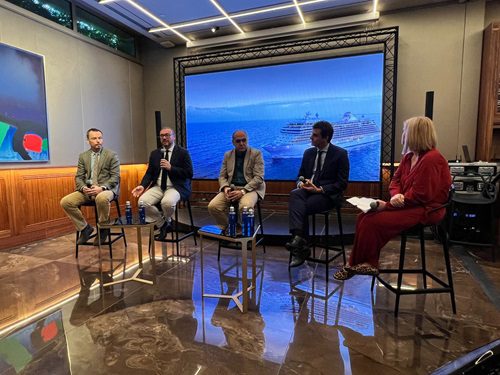
On November 27, 2024, a pivotal gathering in Sant Feliu de Guíxols brought together key players in the maritime industry. Executives, directors, and sustainability experts convened to discuss this booming sector’s socio-economic and environmental impact. The event, organized by Costa Brava Cruise Ports, Ports de la Generalitat, and several other stakeholders, served as a platform to address pressing issues and showcase innovative strides toward sustainable tourism.
Economic Windfall from Maritime Tourism

Discover how luxury cruises and yachts transform Costa Brava, boosting its economy and sustainability.
Maritime tourism has become a cornerstone of Costa Brava’s economic prosperity. According to the Cruise Lines International Association (CLIA), the cruise industry contributes €5.67 billion annually to Spain’s economy, generating over 80,000 jobs. Costa Brava, with 58 port calls in Palamós and Roses in 2024, contributed €5.1 million to this figure. These visits brought 53,000 high-spending passengers who indulged in the region’s gourmet dining, exclusive excursions, and artisanal shopping.
The ripple effect extends beyond passengers. Carmen Fernández, a recruiter specializing in cruise staff, highlighted that crew members also contribute to the local economy by spending their downtime ashore.
In 2025, Costa Brava will further cement its reputation as a luxury destination with the arrival of Alma Cruceros, a pioneering Spanish cruise line set to make its debut call at San Carles de la Rápita.
Sustainability: A Priority for the Industry
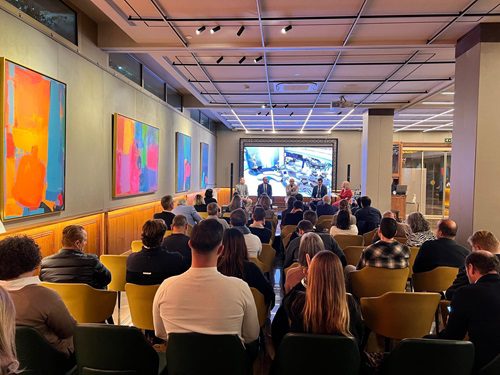
Luxury Cruises and Large Yachts Costa Brava.
Environmental stewardship is now a non-negotiable element of maritime tourism. Industry leaders like Giorgio Costa of Crystal Cruises and Leandro Satústegui of Regent Seven Seas Cruises detailed their ongoing efforts to reduce environmental footprints. Measures include eliminating single-use plastics, enhancing recycling programs, and equipping ships with shore power connectivity to minimize emissions while docked.
Lantimar’s Beatriz Orejudo underscored the strides in resource management, revealing that 90% of the freshwater used aboard is generated through desalination. The emphasis on such practices aligns with Costa Brava’s broader sustainability initiatives, as highlighted by Víctor Goitia of the Costa Brava Girona Tourist Board.
The Role of Large Yachts in Driving Growth
Parallel to the cruise boom, the large yacht sector is carving its niche as a key economic driver. A panel moderated by Eva Miquel explored how this segment contributes approximately €12 billion and 80,000 jobs to Spain’s economy. Experts, including Ignacio Erroz of Marina Port Vell and Maribel Vela of Sant Feliu de Guíxols Yacht Club, discussed the critical role of marinas, shipyards, and premium infrastructure in attracting megayachts.
“Events like the America’s Cup position Costa Brava as a must-visit destination for elite yachts,” noted Erroz. Meanwhile, Sennacheribbo from Lantimar emphasized the value of customized services, which were made possible by leveraging local networks to meet the unique demands of these floating palaces.
Integration with Local Communities
The integration of maritime tourism with local communities remains a central focus. Vela underscored the need to balance large yacht activities with smaller-scale boating to preserve the region’s charm. Fostering marine education and enhancing community engagement are essential for long-term sustainability.
Sant Feliu de Guíxols, which hosts over 50 megayachts during peak season, is a model for this harmonious coexistence. Initiatives like marine ecosystem education and support for small and medium-sized boating enterprises showcase the region’s holistic approach to growth.
Event Highlights
The Sant Feliu de Guíxols event concluded with resounding optimism. Leaders such as Esther Roca i Isart, Director-General of Ports de la Generalitat, and Joan Plana i Sagué, Vice President of the Costa Brava Girona Tourist Board, expressed unwavering support for the region’s maritime vision. Closing remarks from Mayor Carles Motas i López reinforced Costa Brava’s commitment to a sustainable, inclusive, and economically vibrant future.
For more details, visit Cruises News Media Group.
Conclusion
Costa Brava’s strategic focus on luxury cruises and large yachts has positioned the region as a global leader in maritime tourism. Its dual emphasis on economic growth and sustainability offers a blueprint for other coastal destinations. With forward-thinking policies, robust infrastructure, and a commitment to community integration, Costa Brava is steering into a future where luxury and sustainability coexist harmoniously.
Written by: Bridget Gomez