

 Ehime Prefecture, in the western part of Japan’s Shikoku Island, just outside Hiroshima, is quickly becoming one of the country’s most renowned architectural hotspots offering all kinds of spectacular sights on the spectrum from traditional Japanese building design to masterpieces in contemporary construction.
The region’s diverse history and natural landscapes are often the inspiration for architects and their design philosophies. With so many stunning buildings reflecting ancient Japan and the region’s unique natural environment, Ehime provides a truly immersive experience for architecture enthusiasts, whether you’re visiting hot spring resorts or its many avant-garde museums.
Here’s a roundup of some of the top sites and hotels to experience:
Setouchi Retreat Aonagi by Onkochishin by Tadao Ando
Setouchi Retreat Aonagi by Onkochishin is a minimalist hotel designed by the prominent Japanese architect, Tadao Ando. Constructed on a hill overlooking the Seto Inland Sea and initially built to be a museum, the hotel’s construction encapsulates Ando’s style, with his signature clean lines and making the most of the natural light. The building has often been credited for its incredible integration with the natural environment around it, despite being constructed with raw concrete and glass, which is typical of Ando’s design style.
With Setouchi Retreat Aonagi by Onkochishin now transformed into a luxury retreat, its seven exclusive suites embody a meditative and calming atmosphere, perfect for a relaxing night stay after a busy day seeing the sights. Guests can also enjoy meals featuring the seasonal seafood and produce of Setouchi, as well as luxurious treatments in a private space with views of the sea and islands of Setouchi.
Toyo Ito Museum of Architecture, Imabari
The Toyo Ito Museum of Architecture in the town of Imabari is dedicated to the works and philosophies of Pritzker Prize-winning architect, Toyo Ito, and focusses on the important role of architecture in society and how it can interact with nature.
The museum consists of two buildings: one is a reconstruction of Toyo Ito’s residence, the ‘Silver Hut’, and the other is the ‘Steel Hut’ – a space for exhibitions planned by Ito himself. Visitors can freely experience and enjoy the light and openness of the building in its setting within the Seto Inland Sea landscape, as well as how it blends harmoniously with the surrounding sea and mountains.

Dogo Onsen, A Cultural Icon
While Ehime is home to cutting-edge modern architecture, it also boasts plenty of significant traditional landmarks. Dogo Onsen in Matsuyama City is one of Japan’s oldest and most famous hot springs and is a prime example of traditional Japanese architecture. Its main building, the Dogo Onsen Honkan, is a multi-story wooden structure that evokes the elegance of the Meiji period (1868–1912).
The intricate woodwork and historical significance of the building have made it a designated Important Cultural Property of Japan. Visiting Dogo Onsen offers not only a relaxing hot spring experience but also a journey through Japan’s architectural past. The entire building, including the resting rooms, reopened in July 2024 after five and a half years of partial closure for conservation work. The roof replacement has been completed and visitors can now see its unique copper-coloured appearance.
The Historic Yokaichi- Gokoku District, Uchiko Town
For those who prefer to explore historic streetscapes, the Yokaichi- Gokoku district in Uchiko Town transports visitors to the Edo and Meiji periods. The streetscapes are lined with well-preserved traditional townhouses (machiya), old merchant houses, and storehouses that still vividly retain the character of their era.
The buildings, many of which are open to the public, showcase the craftsmanship and architectural techniques of the time. Uchiko is particularly famous for its traditional wax production and candle-making, and some of the merchant homes have been converted into museums offering a deeper connection to the town’s rich history.
Komyo-ji Temple, Spiritual and Architectural Serenity
Komyo-ji Temple in the tranquil city of Saijō provides another remarkable architectural experience. This unique temple sees traditional Japanese culture and modern architecture come together.
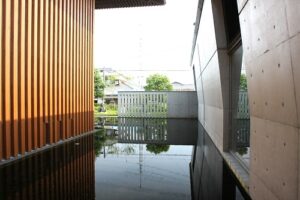
The temple’s wooden structure and meticulous landscaping reflect Japan’s deep-rooted Zen traditions, while the main hall is a modern architectural extension completed in 2000 by Tadao Ando, the world-renowned Pritzker Prize-winning architect.
Historical Luxury in the Castle Town of Ozu
The castle town of Ozu is another architectural treasure trove for design enthusiasts and has become known for its sustainable building practices and tourism experiences. Named as one of the “Top 100 Sustainable Tourism Destinations” by Green Destinations, an international official certification body and non-profit organisation, Ozu has been leading the way in Japan’s ambitions to be one of the most sustainable travel destinations in the world.
At the top of the town’s list of architectural must-sees is the design marvel, NIPPONIA HOTEL Ozu Castle Town, where traditional Edo-period buildings scattered across the town have been converted into interconnected luxury accommodations.
Visitors can also stay in historically significant properties like Garyu Sanso and Bansenso, both offering an intimate experience of Japan’s architectural heritage. These properties, with their wooden structures and exquisite garden views, provide a window into the opulence of Japan’s past, all while delivering modern comforts.
ITOMACHI HOTEL 0, A Net Zero Hotel
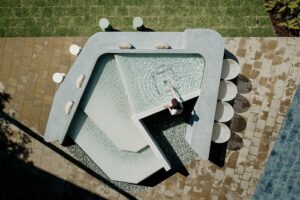
ITOMACHI HOTEL 0 in Saijo is a perfect example of how modern architecture can breathe new life into regional areas. The hotel is a chic, minimalist space that offers luxury in a unique setting, the design based on the beautiful colours of ‘Iyo Blue Stones’ – dynamic stones unique to the region.
This zero-energy hotel was designed by famous Japanese designer Kengo Kuma. Energy-saving and energy-generating efforts made it the first hotel in Japan to receive ZEB certification. The building is designed around ‘Uchinuki,’ the clean spring water flowing from Mount Ishizuchi, and features art and interiors inspired by water flow, as well as local cyprus grown in Ehime.
Ehime Prefecture is a destination where architectural beauty is celebrated in all its forms—from the minimalist designs of Tadao Ando to the traditional structures of centuries past. Whether exploring cutting-edge museums, soaking in historic hot springs, or wandering through old merchant streets, Ehime offers an unforgettable journey through the art and history of Japanese architecture.