
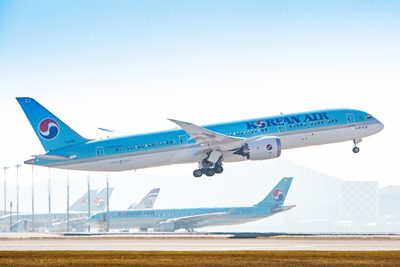
 In a significant stride towards reshaping the aviation landscape, Korean Air has successfully secured the Japan Fair Trade Commission’s (JFTC) green light for its merger with Asiana Airlines. This pivotal approval, part of a global regulatory journey, marks a defining moment in consolidating two giants in the sky.
This landmark decision by the JFTC is not just a nod to Korean Air’s strategic foresight but also a testament to their meticulous planning and dialogue. The merger, which began as a bold vision in January 2021, has since navigated through the complex maze of global regulatory approval. Korean Air’s proactive approach, involving extensive market and economic analysis and engaging in constructive dialogues, has been instrumental in addressing various concerns raised by the JFTC.
The JFTC’s scrutiny focused mainly on the potential market dominance of select Korean routes. Korean Air and Asiana Airlines and their subsidiaries posed a significant market share in these areas. Korean Air agreed to relinquish a limited number of slots on seven critical routes to maintain a competitive balance. These include popular destinations such as Seoul to Osaka, Sapporo, Nagoya, and Fukuoka, and Busan to Osaka, Sapporo, and Fukuoka.
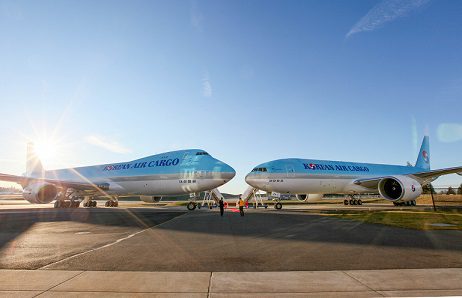
Furthermore, the merger’s impact on the Korea-Japan cargo network was another critical area of JFTC’s concern. The resolution? A strategic decision to divest Asiana’s cargo business. This move allayed the JFTC’s fears and demonstrated Korean Air’s commitment to maintaining a healthy competitive environment. The divestiture is contingent upon the approval of all remaining competition authorities and will be executed after the formal incorporation of Asiana Airlines under Korean Air.
The journey to this milestone was not a solo flight. Korean Air’s merger plan has been under the global regulatory microscope, with reports filed to 14 competition authorities since January 2021. The approval by the JFTC joins the chorus of 12 authorities that have given the green light or concluded that the merger does not fall under their purview.
Now, with the European Union and the United States as the final regulatory frontiers, Korean Air stands on the cusp of sealing a deal that promises to redraw global aviation routes and strategies. The merger is not just about expanding its footprint; it’s about synergizing strengths to create a robust, competitive entity that can soar higher in the international skies.
In essence, the Korean Air-Asiana merger is more than a business combination. It’s a strategic move poised to reshape the global aviation sector. This approval by Japan’s Fair Trade Commission is not just a regulatory formality but a pivotal moment in the annals of global aviation. It’s a story of vision, strategy, and negotiation culminating in a merger that promises to elevate the customer experience and set new benchmarks in the industry.
Written by: Yves Thomas