
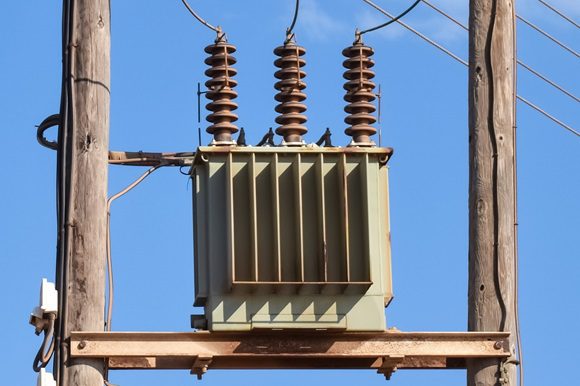
Transformers are the heroes of our electrical world. They quietly go about their business, ensuring that the power coursing through our electrical systems is at the right voltage for our needs. However, not all transformers are created equal.
In the realm of electrical engineering, two types of transformers often come into the spotlight: Step-Down Transformers and Isolated Transformers. While they may seem similar at first glance, there are crucial differences that set them apart. Let’s delve into the five key distinctions between these two types of transformers.
1. Functionality: Voltage Regulation vs. Electrical Isolation
The primary function of a Step-Down Transformer is to reduce the voltage from a higher level to a lower level. This is particularly useful in domestic settings where the main supply voltage needs to be converted to a more manageable level for household appliances.
On the other hand, an Isolated Transformer’s main job isn’t necessarily to change the voltage level. Instead, it provides electrical isolation between the input and output circuits. This is crucial in industrial settings where electrical noise and interference can be detrimental to sensitive equipment.
2. Construction: Core Design Matters
Step-Down Transformers typically have a simple design with two windings: primary and secondary. The primary winding receives the higher voltage, and the secondary winding delivers the reduced voltage.
Isolated Transformers, however, often feature a more complex design, sometimes incorporating a shield winding between the primary and secondary windings. This shield acts as a barrier, reducing electrical noise and providing an extra layer of insulation.
3. Efficiency: Energy Loss Considerations
Step-Down Transformers are generally more efficient when it comes to energy loss. Because their primary function is voltage reduction, they are designed to minimise losses through heat dissipation.
Isolated Transformers, while efficient, may not be as energy-conservative as their Step-Down counterparts. The additional shielding and complexity can sometimes result in slightly higher energy losses.
4. Applications: Where They Shine
Step-Down Transformers are commonly found in residential and commercial settings where voltage reduction is the primary requirement. Think of your home appliances, office equipment, and even some types of lighting.
Isolated Transformers are the go-to choice for industrial applications, medical equipment, and any setting where electrical isolation is a priority. They are indispensable in environments that require a high degree of electrical noise suppression.
5. Cost: Investment vs. Long-Term Benefits
Step-Down Transformers are generally less expensive due to their simpler construction. They are a cost-effective solution for straightforward voltage reduction needs.
Isolated Transformers, with their additional features like shielding, tend to be more expensive. However, the investment is often justified by the long-term benefits of electrical isolation and noise reduction.
While both Step-Down and Isolated Transformers serve critical roles in electrical systems, understanding their key differences is essential for making an informed choice. Whether it’s the functionality, construction, efficiency, applications, or cost that matters most to you, being aware of these distinctions will enable you to select the transformer that best suits your specific needs. So the next time you find yourself in a situation requiring a transformer, you’ll know exactly what to look for.