
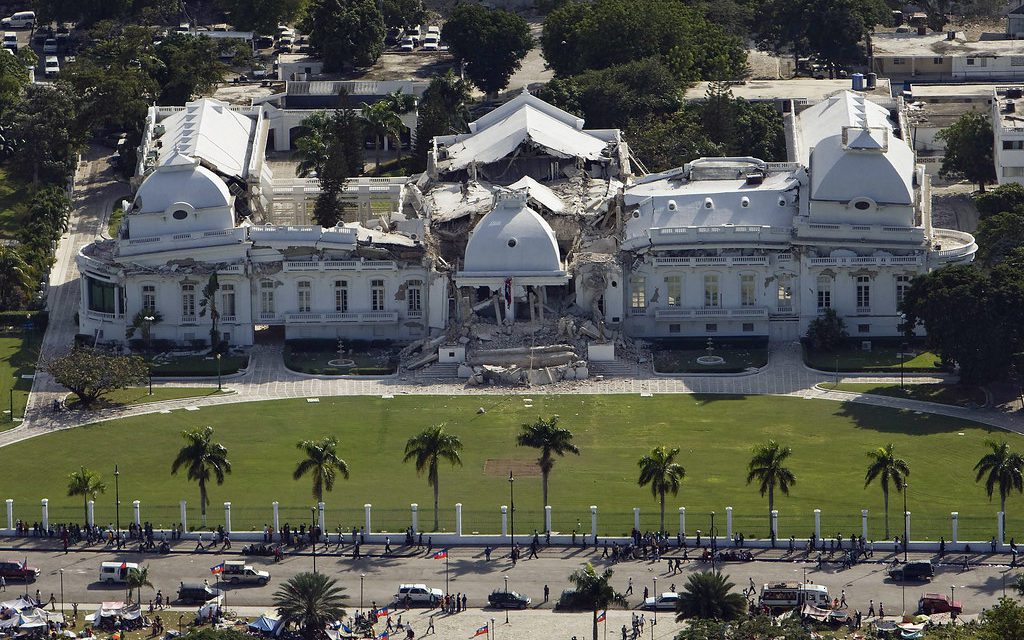
 Earthquakes can strike without warning, and no one can predict them. No scientist has ever predicted a major earthquake, according to the USGS. “We do not know how, and we do not expect to know how [to predict a major earthquake] any time in the foreseeable future. USGS scientists can only calculate the probability that a significant earthquake will occur in a specific area within a certain number of years.”
While earthquake forecasting eludes scientists, they know most come from two regions – which can help leisure and business travellers understand how to prepare for an earthquake and respond afterwards.
More than 80% of the most significant earthquakes strike within the “Ring of Fire” – a rim of the Pacific Ocean. Quakes from the Ring of Fire affect major tourist destinations like San Francisco, Los Angeles, Tokyo, Mexico City, Lima, and Santiago de Chile.
Most of the significant quakes take place in the Alpide earthquake belt, extending from Java to Sumatra through the Himalayas, the Mediterranean, and out into the Atlantic. Earth shocks triggered in the Alpides earthquake belt rumble through a seismic alley along the significant ranges of the Atlas Mountains, the Alps, the Caucasus Mountains, Alborz, Hindu Kush, Karakoram, and the Himalayas.
The first step in preparing for a quake is understanding the risks specific to the regions you visit for work or leisure. Travellers within the “Ring of Fire” and along the Alpide belt are at a higher risk of experiencing a quake in the same way Caribbean visitors have a greater chance of encountering a hurricane, except that the former is unpredictable, and the latter is not.
Quake preparation and response include creating an emergency plan, assembling a disaster supply kit and staying informed. If you’re travelling to a quake region, familiarize yourself with local evacuation routes, emergency shelters, and community response plans. Earthquakes are also a primary trigger for tsunamis, an equally calamitous event. Failing to prepare in advance is a common mistake. Travelers who prioritize preparedness will minimize the impact of an earthquake, tsunami or another unpredictable natural disaster.
The most important preparations a leisure or business traveller can make before a trip to a quake zone include keeping your passport, identification and necessary travel documents in a waterproof, secure location that is readily accessible.
Maintaining an emergency contact list for local authorities, embassy or consulate contact details, and the phone numbers of your loved ones back home is essential. Natural disasters often disrupt communication networks, damage cellular infrastructure, cause network congestion, and create power outages, making it difficult for anyone – including emergency responders – to communicate effectively.
“Ideally, travelers should carry a satellite communications device or messaging system, so having these numbers readily available can help you seek assistance and inform your family about your well-being,” said Adam Bardwell, a Global Rescue security operations supervisor and a former U.S. Army Green Beret where he served as a Special Forces Medical Sergeant.
Make a compact first aid kit with essential medical supplies such as bandages, antiseptics, pain relievers and any prescription medications you require. Consider the duration of your trip and the availability of medical services at your destination. Having necessary medications on hand can be critical, especially if you have pre-existing conditions.
Keep a sufficient amount of emergency cash in both local currency and a widely accepted international currency. ATMs and banking systems may be inaccessible during or after a disaster. Also, carry backup credit or debit cards if your primary card gets lost, stolen or compromised.
Include local maps and an essential language guide. Familiarize yourself with key landmarks, evacuation routes, and shelter locations. “A language guide can help you communicate with locals and emergency responders, allowing you to understand instructions and seek help effectively,” Bardwell said. There are also translation apps you can use on a smartphone that can be very helpful if you have connectivity since you can photograph foreign text and then translate it into your preferred language.
Designate a meeting point if a catastrophic event separates you from your colleagues, friends, family or group. Determine where to shelter during an earthquake or move to higher ground during a tsunami. Establish a communication plan to stay connected with loved ones during emergencies. Identify an out-of-area contact person who can relay messages and provide updates.
These items and actions are in addition to the standard travel essentials like appropriate clothing, toiletries and personal items. It’s also crucial to stay informed about the local emergency procedures and listen to instructions from local authorities during a natural disaster. These precautions will enhance your safety and preparedness when travelling internationally and experiencing an unpredictable natural disaster.
Written by: Harding Bush
BIO:
Harding Bush is a former Navy SEAL and senior manager for security operations at Global Rescue, a worldwide provider of medical, security, evacuation, and travel risk management services.