

 Equally, passengers should educate themselves on the requirements surrounding COVID-19 regulations in the destinations they visit during their tour, not just onboard the vessel, Jeremy explains.
“Some travellers may be under the impression that the entire world is as non-restricted and vaccinated as their home country, but this is not the case.
Remember That The World Is Still Adapting To The ‘New Normal’.
Jeremy’s final advice is that passengers should acknowledge that the cruise industry and the world are adapting to this ‘new normal’ post-pandemic.
Jeremy Clubb, the founder of Rainforest Cruises, a specialist exotic riverboat and small ship cruise package provider, stated that: “In March, our first-quarter sales had doubled versus last year’s figures to be on a par with pre-pandemic levels, so everything was indicating a welcome return to business as usual. That The Cruise Industry Is Still Recovering.
Despite cruises now being back in full swing, the detrimental impacts of the pandemic on the sector mean that the industry is not yet fully recovered and that some changes will affect passengers.
“Unfortunately, passengers cannot assume that the itinerary they have purchased is guaranteed, but, of course, this is something that can be discussed with a travel advisor or tour operator in advance of booking your trip”.
“Whilst on board, there may be compulsory mask wearing indoors and social-distancing in place, which passengers will be expected to adhere to.”
 “Some travellers may only be taking enough medications for their expected itinerary duration, but they must be prepared for unexpected delays and ensure that they have sufficient medication, including extra, on the off chance that a flight gets cancelled or they become infected have to quarantine whilst onboard.
Jeremy explains: “With unexpected delays being commonplace at the moment, it is particularly important that passengers leave at least one, but preferably two, buffer days to make sure that they make embarkation.
“Passengers are advised to pack some extra clothing for this same reason, and keeping a few extra KN95 masks and rapid antigen tests to hand is also recommended.”
“Most companies have reevaluated and tightened their terms and conditions with regards to refunds, but have also given extra flexibility in terms of rebooking for COVID-related cancellations and concerns,” explains Jeremy.
Jeremy explains: “As a result of the pandemic, cruises are now, more so than ever before, at risk of changing their itineraries.
“It’s also worth checking to see if your credit card includes travel insurance before you buy it separately, as you may find it covers you for everything that you would need during your trip.”
“If you are accepting of the fact that health protocols may change with little or no notice, and can maintain the mindset that they are ultimately in place to keep you and others safe, there’s no reason you can’t still have a great trip.” He explains:
“One of the biggest things to bear is that the world is still adapting to this new normal and that situations can change swiftly, even when you are already on vacation.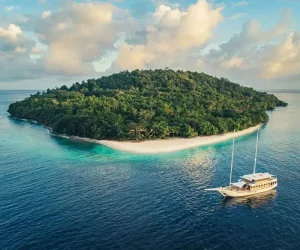
“Many operators operated on skeleton staff during the pandemic and now are struggling to employ crew with sufficient skills and experience, which may adversely affect customer satisfaction on board.
“We have also noticed from our conversations with clients it is clear that many people are growing noticeably less fearful of COVID, and are eager to get travelling again, which may be partially responsible for their return to the industry.”
Jeremy explains: “To accommodate the risk of COVID-19, passengers now have to adapt to safety procedures and measures onboard.
Make sure travel insurance includes all essential cruise covers such as trip delays, baggage, emergency medical, evacuation, repatriation and cancellation.
“Checking the requirements regarding vaccinations, mask-wearing, and mask specifications in the destinations you are visiting is essential, especially if your itinerary includes multiple countries. What Will Be Expected Of You During Your Cruise?
For their cruises, different cruise lines will have different rules and regulations regarding COVID-19.
Jeremy elaborates: “Most cruises currently require either proof of full vaccination at least two weeks before embarkation, or a negative RT-PCR test or antigen test taken within so many days before departure. This type of cruise is becoming increasingly popular as passengers’ wanderlust and privacy concerns have grown as a result of the pandemic, meaning people are opting for ever more adventurous and exclusive travel experiences.”
Jeremy explains: “Some travellers are making the mistake of thinking they don’t require travel insurance now, but this is still, and will always, be a necessity. So, for anyone considering a cruise this year, Rainforest Cruises has offered its expert advice highlighting what passengers should expect when embarking on a post-pandemic cruise and how best they should prepare.
Jeremy adds: “Our favourite tip, however, is to consider a small-ship cruise charter.
Equally, for those who have been on cruises pre-pandemic, there may be changes to your experience whilst onboard.
Being open-minded and aware that your chosen itinerary may not be exactly as specified will avoid disappointment and help you manage your expectations when you embark on your cruise.
Equally, if you are faced with an unexpected situation during your cruise, you want to ensure that you have packed for every eventuality, especially when it comes to the necessities.
And with travel restrictions having eased globally, cruising now appears to be back to full strength since its return just over a year ago. Suppose you are worried that preventative measures, such as social distancing might affect your enjoyment of the cruise. In that case, we recommend choosing an operator with a strict no unvaccinated passenger policy and selecting a vessel with ample outdoor deck space, al fresco dining options, and plenty of social areas in the fresh air.
Given how cruising has been impacted due to the COVID pandemic, passengers must ensure that the cruise they choose is right for them. However, despite having faced the hardships of the pandemic, the cruise sector is now gradually returning to normal, with companies experiencing travellers racing back to the industry.
Travel Insurance Is Still A Must.
Prepare For Your Itinerary To Be Slightly Different.
WHO’s COVID-19 pandemic declaration of March 2020 and CDC’s subsequent no sail order following April devastated the cruise industry, grinding ships to a halt worldwide. Despite the pandemic’s status being renounced and 69.2% of the global population receiving a COVID-19 vaccination, it would be easy to assume that travel insurance is no longer necessary. “And now, our half-year sales are up by 120% compared to 2021, and have just exceeded our 2019 sales, which was our record year to date, so the demand for cruising is definitely there again. You don’t want to miss your cruise as a result of not factoring in enough time for delays or unexpected cancellations”.
Prepare Yourself For All Eventualities
This way, passengers’ experience will be less likely to be affected by any restrictions put in place.” Having experienced two years of uncertainty in the travel industry, one key takeaway is that travellers should prepare for every eventuality when embarking on their cruises.
Passengers would be wise to make sure that they do relevant research to understand exactly what is expected of them onboard to keep themselves and others safe.
However, we expect this will bounce back fairly quickly and haven’t noted any decrease in customer satisfaction rates regarding customer service onboard our vessels thus far”. Many cruise lines, particularly those operating in more rural settings, may have had to make alterations to their itineraries to keep areas they visit enroute safe from COVID-19 outbreaks.
That way, you can avoid any social distancing restrictions. An extra plus, you can tailor your itinerary only to include those activities and excursions you are interested in, maximizing your enjoyment. For Rainforest Cruises specifically, its Amazon cruises have been unable to visit indigenous villages as they would normally due to a lack of access to vaccines in the area and the company not wanting to put anyone at risk. However, some cruise lines have a strict no unvaccinated passenger policy.
Also, passengers may be required to test before any shore excursion if the port of call requires it or if they develop symptoms during the trip. Within as few as 60 days from suspension, expenditure in the UK alone was estimated at £539 million, and the U.S. economy faced an estimated loss of $32 billion in 2020, according to reports. Particular excursions or activities may not be able to run now due to the pandemic. Given the industry previously contributed $154 billion to the global economy, the impact sent a ripple around the globe. Certain medications are hard to access in exotic parts, so ensure you don’t get caught.
Written by: Jill Walsh